Resistive Load Bank Testing for Generator and UPS Systems
Resistive load banks are essential tools for verifying the performance, reliability, and safety of power generation systems such as diesel generators, gas turbines, and uninterruptible power supplies (UPS). These devices simulate real-world electrical loads by converting electrical energy into heat through high-power resistors. Unlike reactive or capacitive load banks, resistive load banks provide a pure resistive load with a power factor close to unity—ideal for testing generator output capacity, cooling system efficiency, and fuel consumption under controlled conditions.
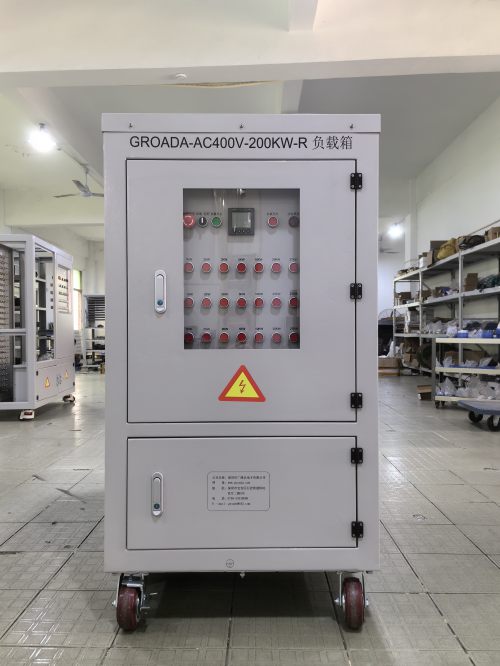
A typical resistive load bank can be configured for single-phase or three-phase applications, ranging from 10 kW up to several megawatts. They often feature adjustable power levels, remote control via Modbus or Ethernet, and built-in monitoring of voltage, current, active power, and temperature. According to IEC 60034-1, motor and generator tests must include full-load operation to ensure mechanical and thermal stability—a function perfectly fulfilled by resistive load banks.
In field applications, such as factory acceptance testing (FAT) of new generators or commissioning of backup systems in hospitals and data centers, resistive load banks help validate that the system delivers rated power without overheating or voltage drop. For example, in an anonymized case study involving a 500 kW diesel generator, a resistive load bank was used to apply 80% of its rated load for 2 hours. The test confirmed stable voltage regulation within ±2%, no abnormal temperature rise (>60°C), and consistent fuel burn rate across all phases.
Modern portable resistive load banks also integrate water-cooled or air-cooled designs, with IP54 protection ratings for indoor/outdoor use. Safety features include overtemperature shutdown, short-circuit protection, E-stop buttons, and grounding compliance with UL/CE standards. Maintenance is straightforward: resistor blocks typically last 5–10 years depending on usage cycles, while fans require replacement every 2–3 years. Calibration should occur annually using NIST-traceable instruments to maintain measurement accuracy within ±0.5%.
For engineers involved in power system design, testing, and maintenance, understanding how to properly select and operate a resistive load bank ensures safer, more efficient operations—and ultimately reduces downtime risk during critical outages.