How to Choose the Right Load Bank for Generator Testing and Power System Validation
Selecting the appropriate load bank is critical for ensuring the reliability and performance of generators, UPS systems, and renewable energy installations. A load bank simulates electrical loads in a controlled environment, enabling engineers to test equipment under real-world conditions without relying on actual power consumption. For instance, during factory acceptance testing (FAT), a resistive load bank can verify that a generator delivers its rated output at full load, while a reactive load bank helps assess voltage regulation under inductive or capacitive loads—common in industrial settings.
Modern load banks are categorized by type: resistive (purely dissipative), reactive (inductive or capacitive), and combination (RLC) units that simulate complex power factors. Each type serves specific applications—resistive for thermal testing, reactive for excitation system validation, and RLC for comprehensive grid integration tests such as those required for wind farms or microgrids. Standards like IEC 60034-1 and IEEE 115 provide guidelines on how these tests should be conducted, including duration, temperature rise limits, and measurement accuracy requirements.
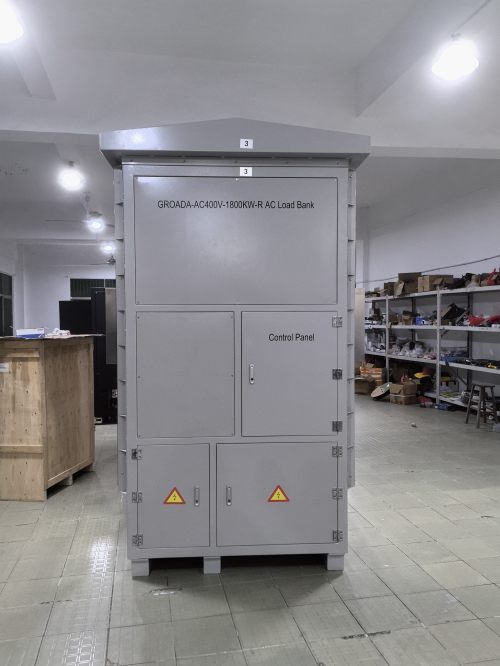
Key technical parameters include power rating (from 5 kW up to several MW), phase configuration (single or three-phase), current range, and control interfaces such as Modbus or Ethernet for remote monitoring. Safety features—such as overtemperature protection, emergency stop buttons, and CE/UL certifications—are essential for operator safety and compliance. Portable designs with IP54 enclosures and lifting eyes enhance field usability, especially in construction or offshore environments.
In one anonymized case study, a 1,200 kVA diesel generator underwent 8-hour resistive load testing using a water-cooled load bank before commissioning at a remote mining site. The test confirmed stable voltage regulation within ±2% and no overheating issues, preventing costly downtime post-installation. Another simulated example involved a 500 kVA UPS system tested with a capacitive load bank to validate harmonic response under low-power-factor conditions—an important step for data centers aiming for ISO 50001 certification.
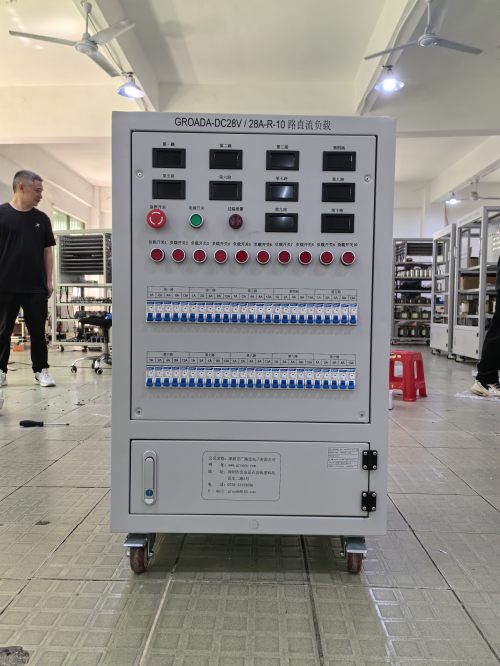
Regular calibration every 12 months and maintenance of resistor blocks and cooling fans ensure long-term accuracy. As global demand grows for resilient power infrastructure—from hybrid solar-diesel systems to backup generators in hospitals—load banks remain indispensable tools for engineers seeking credible, repeatable, and safe validation methods.