Understanding Load Bank Testing for Generator and Power System Validation
Load bank testing is a critical procedure used to verify the performance, reliability, and safety of generators, UPS systems, and other power sources under controlled load conditions. This method simulates real-world electrical demands without requiring actual end-use equipment, making it essential during commissioning, maintenance, and certification processes. The introduction of load banks allows engineers to test full-load capacity, assess voltage regulation, confirm cooling system efficiency, and validate automatic transfer switch (ATS) functionality—all in a safe, repeatable environment.
The main body of this process includes three primary types: resistive, reactive, and combination (RLC) load banks. Resistive load banks convert electrical energy into heat using precision resistor elements—ideal for testing generator mechanical output and fuel consumption at various load levels. Reactive load banks, typically inductive or capacitive, evaluate a generator’s ability to handle lagging or leading power factors, which is crucial for systems connected to motors or electronic loads. Combination load banks offer both resistive and reactive components, enabling comprehensive testing that mimics complex industrial loads such as variable frequency drives or data centers.
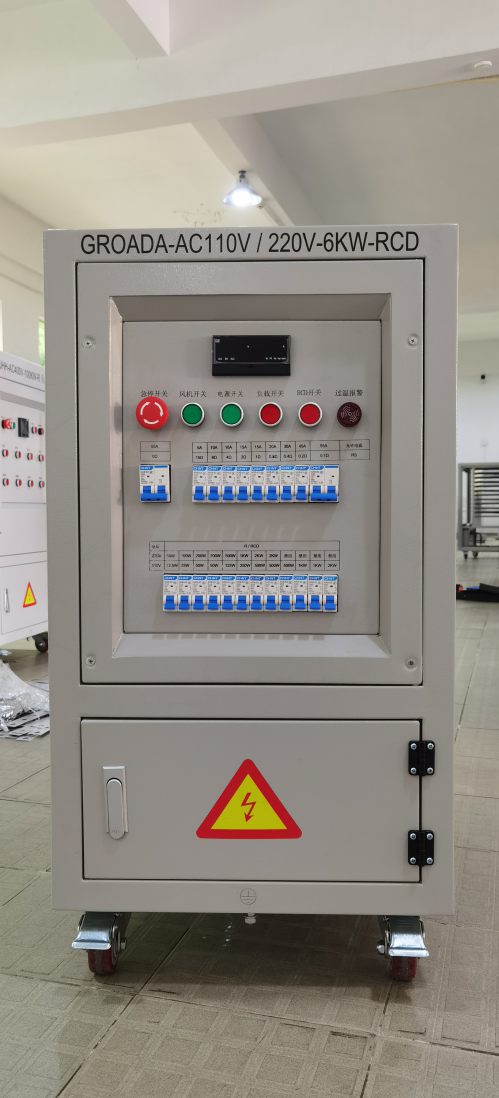
Modern load banks are engineered with advanced control systems like Modbus, Ethernet, or CAN communication protocols, allowing remote monitoring and automated load cycling. They often feature air or water cooling systems to manage high-temperature rise, with thermal protection circuits preventing damage from overheating. Safety features include short-circuit protection, emergency stop buttons, grounding compliance, and certifications such as CE, UL, or CCC, ensuring they meet international standards like IEC 60034-1 for motor and generator testing. Portable designs with fork-lift pockets and IP54 enclosures enhance field usability across diverse applications—from factory acceptance tests to microgrid integration verification.
In conclusion, load bank testing is not just a procedural formality—it's an essential validation step that ensures power systems operate reliably under stress. Whether for new installations, routine maintenance, or pre-grid connection checks, proper load bank selection and application reduce downtime risks and improve long-term asset performance. Based on industry practices and technical documentation from IEEE and IEC, these tools remain indispensable for engineers responsible for power infrastructure integrity.