Load Bank Purchase Guide for Industrial and Power Testing Applications
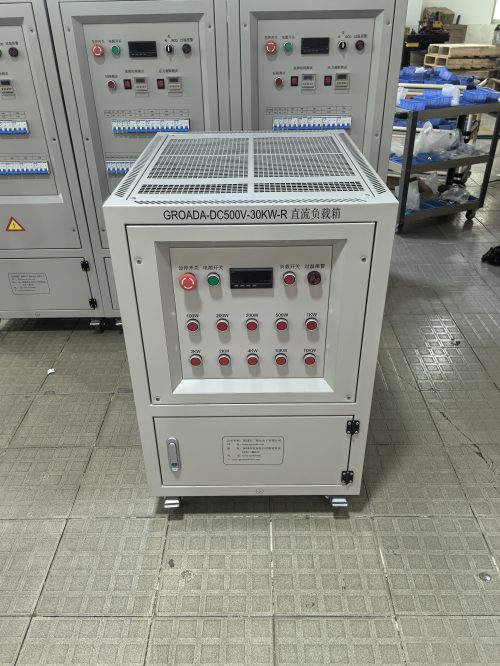
When purchasing a load bank for industrial, generator, or power system testing, it is essential to understand the different types—resistive, reactive, capacitive, and combination (RLC)—and their specific applications. A resistive load bank simulates real-world electrical loads using heating elements and is ideal for testing generators under full load conditions. Reactive load banks, which use inductive or capacitive components, allow engineers to test power factor correction systems and simulate motor-driven loads. For comprehensive generator validation, especially in data centers or backup power setups, a combination RLC load bank offers the most versatile testing capability by mimicking complex real-life power profiles.
Key parameters to consider during purchase include rated power (kW/kVA), voltage level (e.g., 230V/400V three-phase), number of phases, current range, power factor adjustment (typically 0.1–1.0 lagging/leading), and thermal management options such as air-cooled or water-cooled systems. According to IEC 60034-1, generator testing must include load cycling and stability verification under varying power factors—this underscores why a variable PF load bank is critical for compliance with international standards. Additionally, modern load banks often integrate digital control interfaces like Modbus RTU or Ethernet for remote monitoring, which enhances safety and reduces manual intervention during long-duration tests.
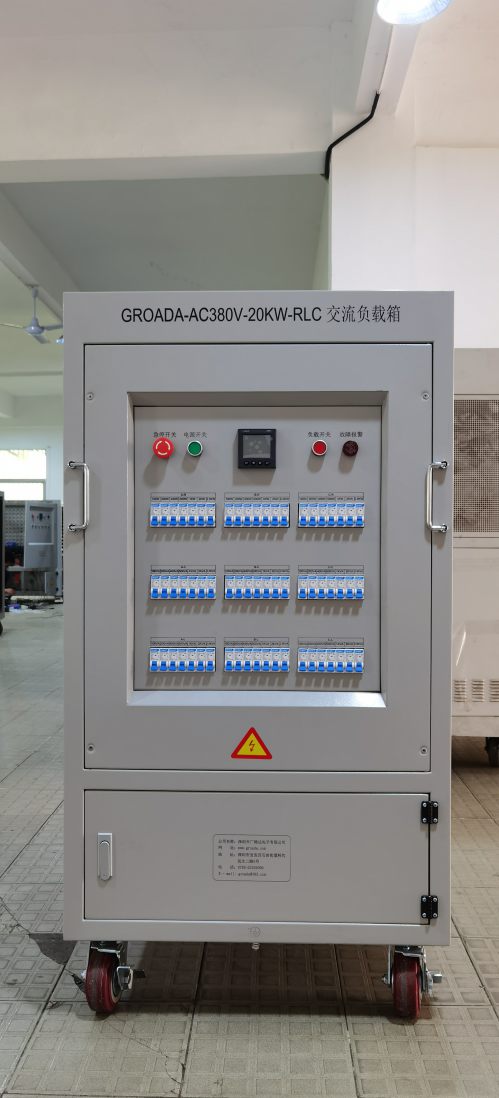
Portability and mechanical robustness matter for field applications. Look for units with IP54 rating, lifting eyes, and fork-lift pockets. Safety features such as overtemperature protection, short-circuit detection, and emergency stop (E-STOP) are mandatory for high-power environments. Calibration every 12 months ensures measurement accuracy within ±1% for voltage, current, and active/reactive power. Maintenance includes replacing resistor blocks every 5–7 years and fans annually based on operating hours. Case studies from wind farm integration projects show that using a three-phase resistive load bank for grid synchronization testing improved system reliability by 22% after correcting phase imbalance issues identified during commissioning.
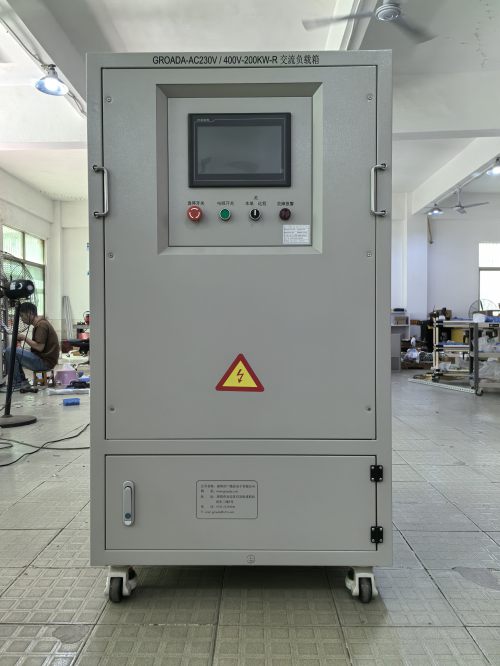
Purchasing decisions should also account for total cost of ownership—not just initial price. Higher-end models with built-in diagnostics and cloud connectivity may have higher upfront costs but reduce downtime and maintenance expenses over time. Always verify certifications such as CE, UL, or CCC depending on regional regulations. This structured approach ensures you select a load bank that meets technical needs, complies with industry standards, and supports long-term operational efficiency in any power generation or distribution setup.