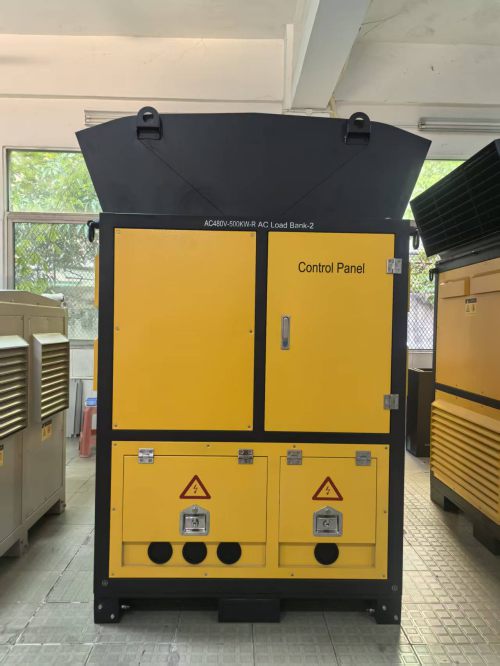
Portable Load Bank Testing Solutions for Generator and UPS Systems
Portable load banks are essential tools for validating the performance of generators, uninterruptible power supplies (UPS), and other electrical systems under real-world conditions. Unlike static or fixed load bank setups, portable models offer flexibility in testing locations—from construction sites to remote power stations—without requiring permanent installation. These units simulate electrical loads by converting electrical energy into heat, allowing engineers to verify critical parameters such as voltage regulation, frequency stability, and fuel efficiency before commissioning or during routine maintenance.
A typical portable load bank can be resistive, reactive, or a combination (RLC) type, with modern designs offering digital control interfaces like Modbus RTU or Ethernet-based monitoring. This enables remote operation via smartphones or laptops, making it ideal for both field technicians and central operations teams. For instance, a 500 kW three-phase resistive load bank used in generator factory acceptance testing (FAT) must meet IEC 60034-1 standards for motor performance verification, ensuring consistent output across varying load profiles.
Key technical specifications include adjustable power factor (from 0.8 lagging to 1.0 leading), high thermal dissipation (up to 200°C ambient temperature tolerance), and integrated safety features such as E-STOP buttons, overvoltage protection, and automatic shutdown at overheating. Cooling methods range from forced air using industrial-grade fans to water-cooled systems for continuous heavy-duty applications. Mechanical durability is ensured through IP54-rated enclosures and forklift pockets for easy transport—a critical factor in mobile testing scenarios.
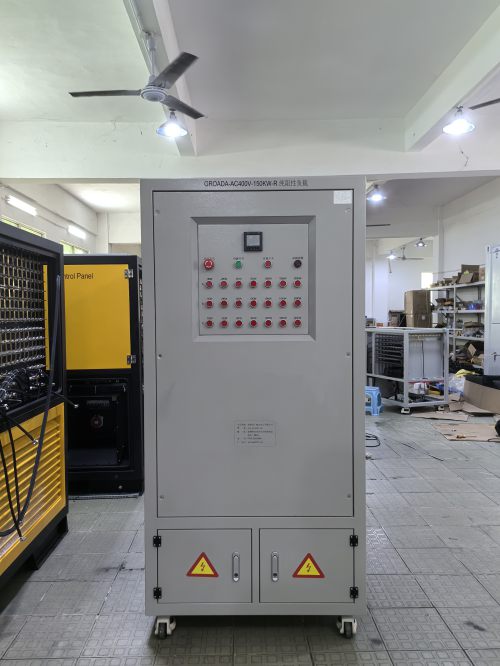
In one anonymized case study, a 300 kVA portable reactive load bank was deployed to test a diesel generator powering a wind farm substation. The test lasted 4 hours at full load, confirming that the generator maintained stable voltage within ±2% and had no harmonic distortion above 5%, meeting IEEE 519 compliance for grid-connected equipment. Based on this data, operators adjusted the AVR settings to improve transient response time by 15%.
Regular calibration every 12 months using NIST-traceable instruments ensures measurement accuracy (±0.5% for active power), while replacement of resistor blocks and cooling fans every 3–5 years supports long-term reliability.