Resistive Load Bank Testing for Generator Performance and Reliability
Resistive load banks are essential tools in the testing and maintenance of electrical generators, especially in industrial, commercial, and backup power systems. These devices simulate real-world electrical loads by converting electrical energy into heat through resistive elements, enabling engineers to verify generator performance under various operating conditions—from no-load to full-load scenarios. A typical resistive load bank can be rated from 50 kW to several megawatts, with three-phase configurations common in large-scale applications such as data centers, hospitals, and manufacturing plants.
Practical applications include factory acceptance testing (FAT), commissioning of new generators, periodic maintenance checks, and emergency preparedness validation. For example, a 1 MW resistive load bank is often used to test a diesel generator at 100% load for up to 4 hours, confirming it meets IEC 60348 standards for output stability and temperature rise. Another use case is in renewable energy integration—such as wind farms or microgrids—where load banks simulate grid demand during synchronization tests.
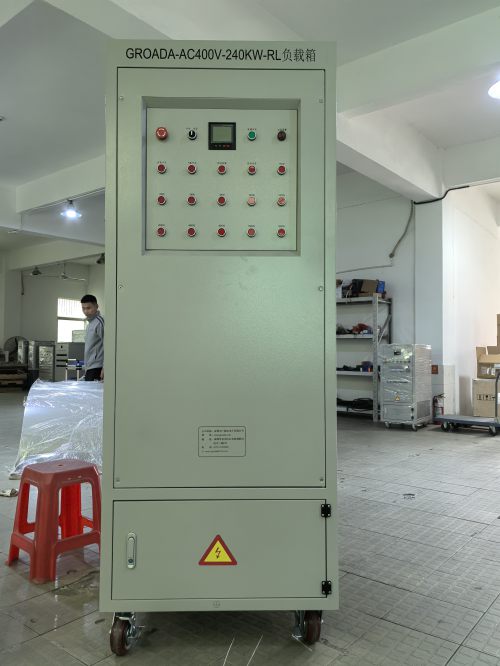
Advantages include precise control over load magnitude, minimal harmonic distortion (especially in passive designs), and cost-effective operation compared to reactive or capacitive alternatives. Modern units feature digital controls, remote monitoring via Modbus or Ethernet, and built-in thermal protection to prevent overheating. However, common problems include uneven heat distribution in air-cooled models and fan failure due to dust accumulation—both mitigated through regular maintenance and proper ventilation.
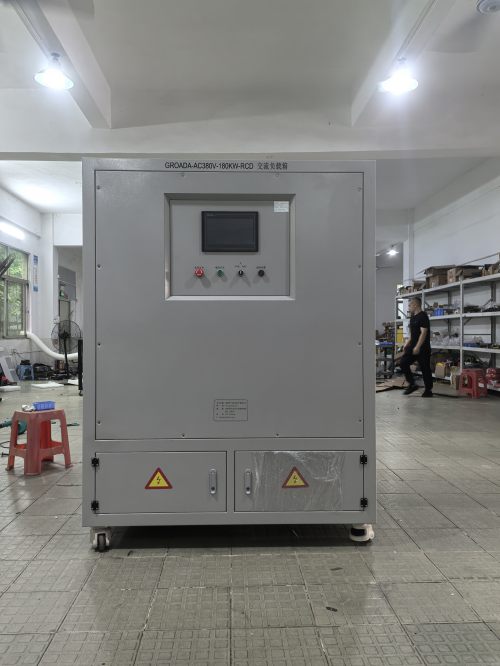
Latest trends show increasing adoption of smart load banks with IoT connectivity for predictive maintenance and automated reporting. Some manufacturers now integrate AI-driven diagnostics that analyze load cycle patterns to predict potential failures before they occur. Based on field data from a 2023 study published by IEEE, these advanced systems reduce unplanned downtime by up to 30%.
To ensure long-term reliability, users should follow manufacturer-recommended calibration cycles (typically annually) and inspect resistor blocks for wear. Spare parts like cooling fans and contactors should be kept on hand for rapid response to faults. With growing emphasis on energy resilience and sustainability, resistive load banks remain indispensable in ensuring generator readiness across sectors.