Resistive Load Bank Testing for Generator and UPS Systems
Resistive load banks are essential tools for verifying the performance, reliability, and safety of power generation systems such as diesel generators, gas turbines, and uninterruptible power supplies (UPS). These devices simulate real-world electrical loads by converting electrical energy into heat through precision resistors. Unlike reactive or capacitive load banks, resistive models offer a stable, predictable load that mirrors typical inductive and resistive consumer loads—making them ideal for factory acceptance testing (FAT), commissioning, and routine maintenance.
According to IEC 60034-1, which outlines standard methods for testing rotating electrical machines, proper load testing ensures motors and generators operate within specified thermal and mechanical limits. A well-designed resistive load bank typically supports single-phase or three-phase operation, with ratings from 5 kW up to several megawatts. Common voltage levels include 120/240 V AC (single-phase) and 480 V AC (three-phase), though custom configurations are available. Power factor adjustment ranges between 0.8 and 1.0 (lagging to unity), allowing flexibility for different generator types.

Modern units integrate advanced control interfaces such as Modbus RTU or Ethernet TCP/IP, enabling remote monitoring and automated test sequences via PLCs or SCADA systems. Safety features include overtemperature protection, short-circuit detection, emergency stop (E-STOP) functionality, and grounding compliance per UL 1008 and CE standards. Cooling is typically achieved via forced air convection using high-efficiency fans, with optional water cooling for continuous high-load operations.
A simulated case study from a data center project demonstrated how a 500 kW resistive load bank was used during UPS system validation. Over a 24-hour period, the load was ramped from 25% to 100%, confirming consistent output voltage regulation (±2%) and no overheating in resistor blocks. This test revealed a minor inefficiency in fan control logic, leading to an upgrade in the load bank’s automation software—improving both efficiency and operator safety.
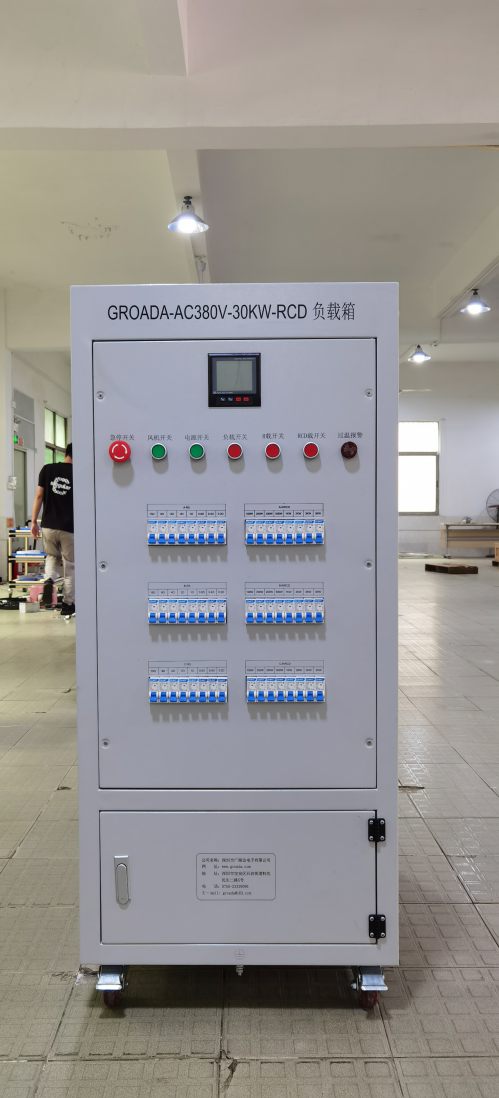
Maintenance best practices include annual calibration using traceable equipment (e.g., Fluke 5500A calibrator) and inspection of resistor elements for wear. Spare parts like cooling fans and contactor modules should be kept on-site for quick replacement.
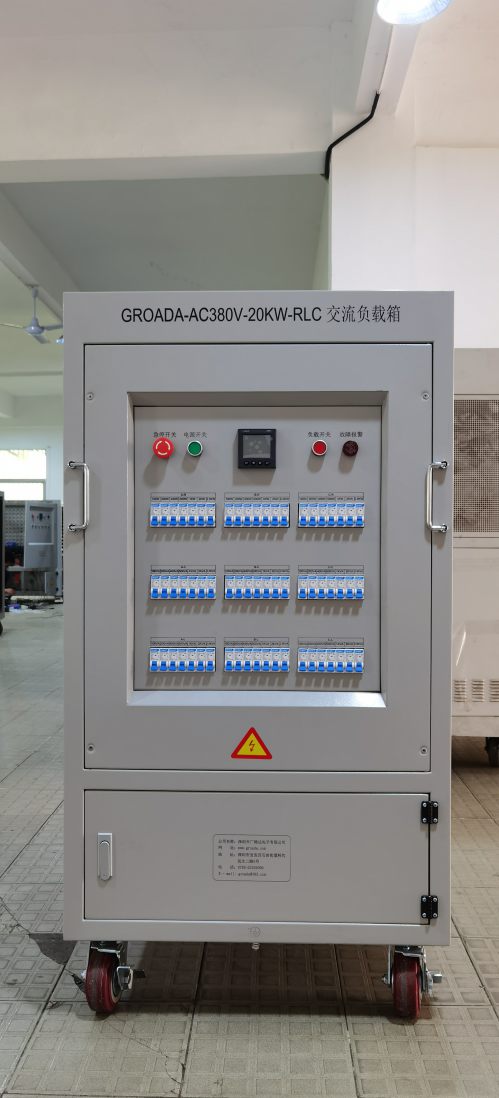
In summary, resistive load banks provide accurate, repeatable, and safe load testing for critical infrastructure. Their use aligns with global electrical safety standards and supports predictive maintenance strategies, ensuring uptime and long-term asset integrity.