Resistive Load Bank Testing for Generator Performance and Reliability
Resistive load banks are essential tools in electrical testing, especially for verifying generator performance under real-world conditions. These devices simulate electrical loads by converting electrical energy into heat through resistive elements, allowing engineers to test the full capacity of power generation systems without relying on actual site demand. Common applications include factory acceptance tests (FAT) for new generators, routine maintenance checks, and commissioning of backup power systems in hospitals, data centers, and industrial facilities. In renewable energy projects—such as wind farms or solar hybrid microgrids—resistive load banks ensure that inverters and grid-tied systems can handle sudden load changes and maintain stable voltage and frequency.
One major advantage is their simplicity and cost-effectiveness compared to reactive or combination load banks. They provide consistent power factor (typically 1.0), making them ideal for basic thermal stress testing and engine performance evaluation. Modern portable resistive load banks often feature remote monitoring via Modbus or Ethernet interfaces, enabling automated control and data logging over extended periods. This enhances operational efficiency and reduces labor costs during long-duration tests.
However, common issues include overheating due to inadequate airflow, especially in enclosed environments, and inaccurate readings from low-quality sensors or poor grounding. To mitigate these, many manufacturers now integrate built-in thermal protection systems and high-precision digital meters with ±0.5% accuracy. Industry standards like IEC 60034-1 and IEEE 115 provide guidelines for motor and generator testing, influencing design features such as insulation class ratings and cooling methods.
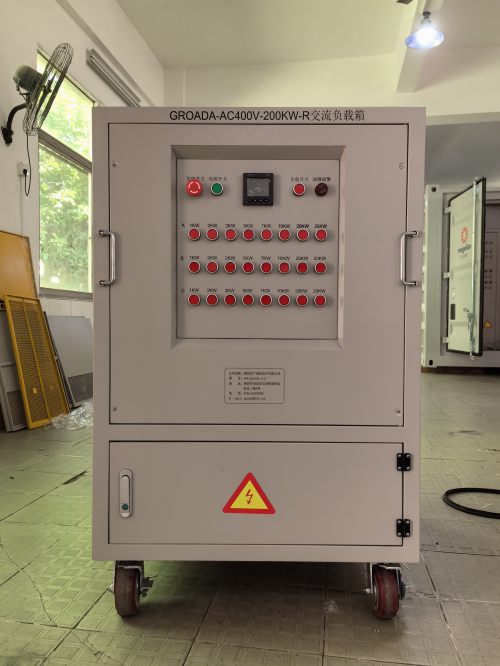
Latest trends show a shift toward smart load banks with IoT connectivity for predictive maintenance and cloud-based reporting. For example, an anonymized case study at a 2 MW diesel generator site revealed that using a 100 kW resistive load bank over 8 hours improved fuel consumption efficiency by 7% after tuning the governor response based on real-time load data. As power systems grow more complex, resistive load banks remain foundational—but increasingly intelligent—in ensuring system reliability.