How to Choose the Right Load Bank for Generator Testing and Power System Validation
When testing generators, uninterruptible power supplies (UPS), or renewable energy systems such as wind farms or microgrids, selecting the correct load bank is essential to ensure reliable performance under real-world conditions. A properly applied load bank simulates electrical demand—allowing engineers to verify system stability, efficiency, and safety before commissioning or during routine maintenance.
Types of Load Banks: Resistive, Reactive, and Combined (RLC)
Resistive load banks are the most common type, converting electrical energy into heat through resistors. They simulate pure real power (kW) and are ideal for testing engine cooling, fuel consumption, and voltage regulation. Reactive load banks, on the other hand, simulate inductive (lagging) or capacitive (leading) loads using reactors or capacitors. These are critical for evaluating reactive power handling, excitation system response, and harmonic distortion in three-phase systems. Combined (RLC) load banks offer both resistive and reactive capabilities, making them versatile for comprehensive generator testing, especially when validating full-load behavior across varying power factors.
Key Considerations for Selection
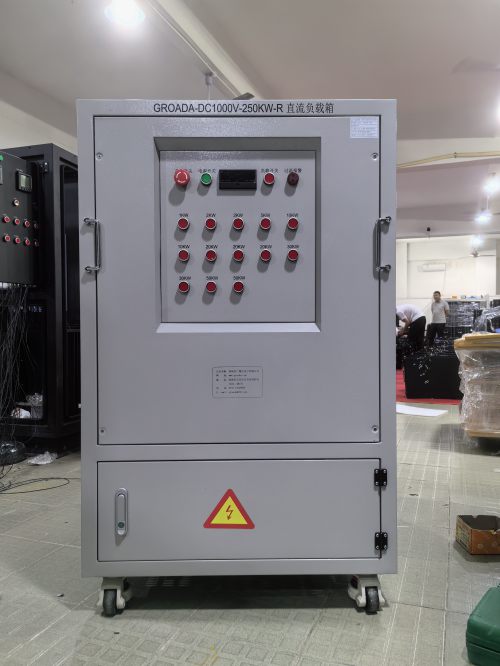
- Power Rating: Ensure the load bank can handle at least 110% of the rated generator output to allow for transient overloads and margin.
- Phase Configuration: Single-phase, two-phase, or three-phase models must match the system being tested—especially important in industrial facilities or data centers.
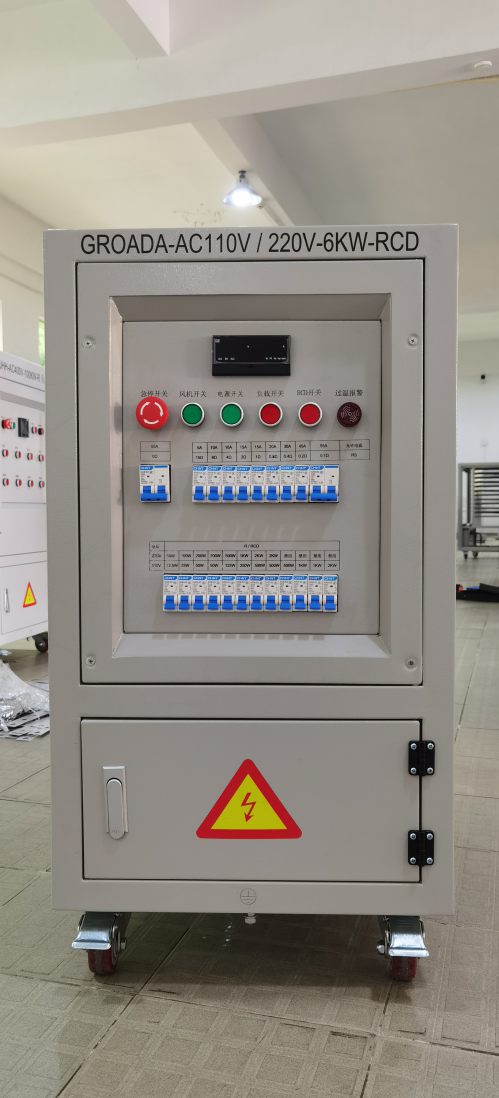
- Portability vs. Fixed Installation: Portable units with wheels, lifting eyes, and IP54 protection suit field use; fixed installations in test labs may prioritize airflow management and integration with control systems.
- Safety Features: Look for short-circuit protection, over-temperature sensors, E-STOP buttons, and compliance with IEC 60034-1 (rotating machines) and IEEE 1159 standards for power quality.
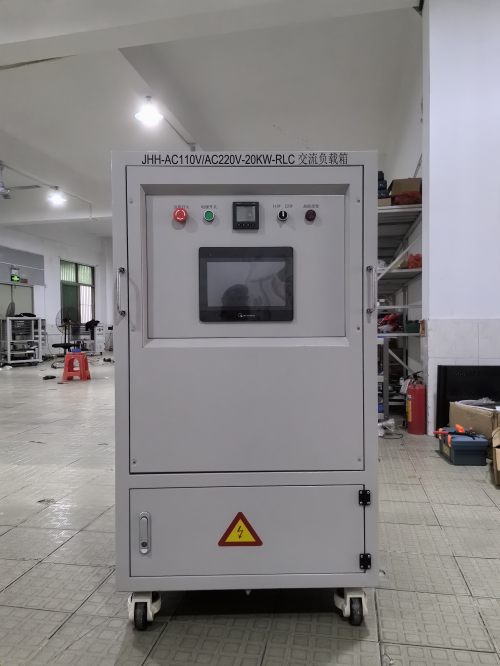
Case Study Example: Wind Farm Grid Connection Test
In a simulated case study involving a 2 MW wind turbine generator, a 3-phase resistive-reactive load bank was used to simulate grid synchronization at different power factors (0.8 lagging to 0.9 leading). The test revealed that without proper reactive compensation, the generator’s voltage regulator failed to maintain stability during sudden load changes—a finding that led to firmware updates and improved reactive power control logic. This highlights how load bank testing uncovers issues not visible during no-load operation.
Calibration and Maintenance
Load banks should be calibrated annually using NIST-traceable equipment to ensure accuracy within ±1%. Replace resistor elements every 5–7 years based on thermal stress and operating cycles. Regular cleaning of cooling fans and ventilation ducts prevents overheating-related failures—a key factor in maintaining long-term reliability.
Based on industry best practices from IEEE and IEC standards, a well-maintained load bank is an indispensable tool for any power system validation program—from factory acceptance tests (FAT) to preventive maintenance checks.