Understanding Load Bank Testing for Generator and UPS Systems
Load bank testing is a critical procedure used to evaluate the performance, reliability, and safety of power generation systems such as generators, uninterruptible power supplies (UPS), and backup power units. This method simulates real-world electrical loads without requiring an actual power-consuming load, making it ideal for factory acceptance testing (FAT), preventive maintenance, and commissioning of new installations.
The body of this process involves deploying resistive, reactive, or combined (RLC) load banks that mimic the electrical characteristics of actual loads—such as motors, lighting, or data centers. Resistive load banks are the most common type, converting electrical energy into heat using precision resistors. They are used to test the mechanical and thermal endurance of engines and alternators under full-load conditions. Reactive load banks, including inductive and capacitive types, simulate the effects of lagging or leading power factors, which are essential for evaluating voltage regulation, excitation system response, and harmonic distortion in sensitive environments like hospitals or data centers.
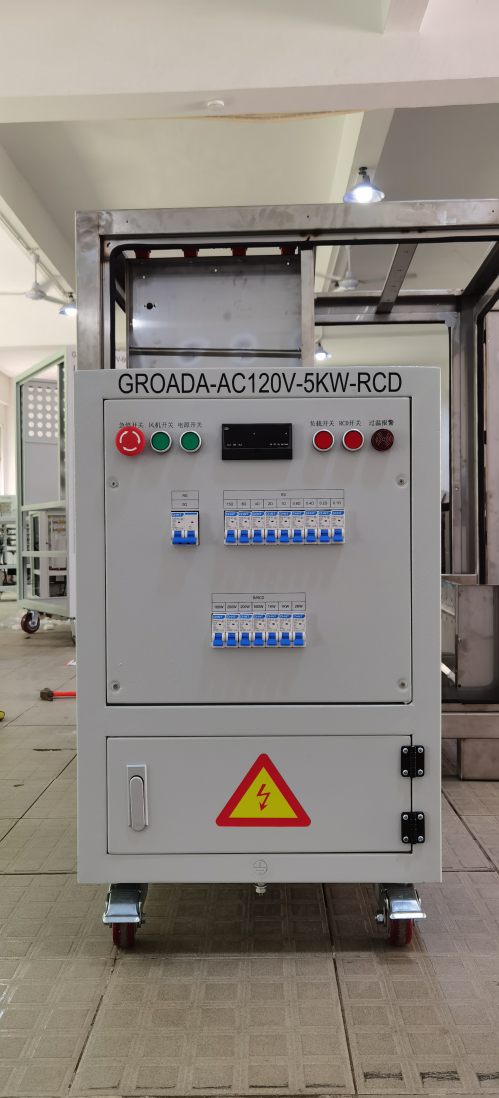
For three-phase systems, portable load banks with synchronized phase control ensure balanced loading across all phases, crucial for grid-tied microgrids or wind farm integration tests. Industry standards such as IEC 60034-1 and IEEE 115 provide guidelines on motor and generator performance under load, ensuring consistency and comparability across global applications. In one anonymous case study, a 500 kW diesel generator was tested with a 90% resistive load over 8 hours, revealing inadequate cooling airflow at partial load—a flaw corrected before deployment in a remote mining site.
Safety is paramount during load bank testing. Equipment must include grounding terminals, short-circuit protection, over-temperature sensors, and emergency stop (E-STOP) functions. CE, UL, and CCC certifications ensure compliance with regional electrical safety norms. Mechanical design considerations such as IP54 protection rating, forklift bays, and lifting rings improve portability and field usability. Regular calibration (annually or after major repairs) using traceable standards ensures measurement accuracy, while fan replacements and resistor inspections every 2–3 years extend equipment life.
In conclusion, load bank testing is not merely a compliance step—it is a vital engineering practice that validates system readiness, enhances operational confidence, and prevents costly failures in critical infrastructure. Whether for industrial generators, telecom UPS systems, or renewable energy integration, proper load testing supports long-term asset health and system resilience.