Portable Load Bank Testing for Generator and UPS Systems: Applications, Standards, and Best Practices
Portable load banks are essential tools in the power systems industry for verifying generator performance, validating uninterruptible power supply (UPS) capacity, and ensuring grid readiness in both industrial and utility environments. These devices simulate real-world electrical loads to test how a power source behaves under stress—helping engineers identify weaknesses before they cause operational failures. Whether used during factory acceptance testing (FAT), commissioning of new installations, or routine maintenance, portable load banks offer flexibility, precision, and safety when evaluating equipment such as diesel generators, gas turbines, solar inverters, and battery backup systems.
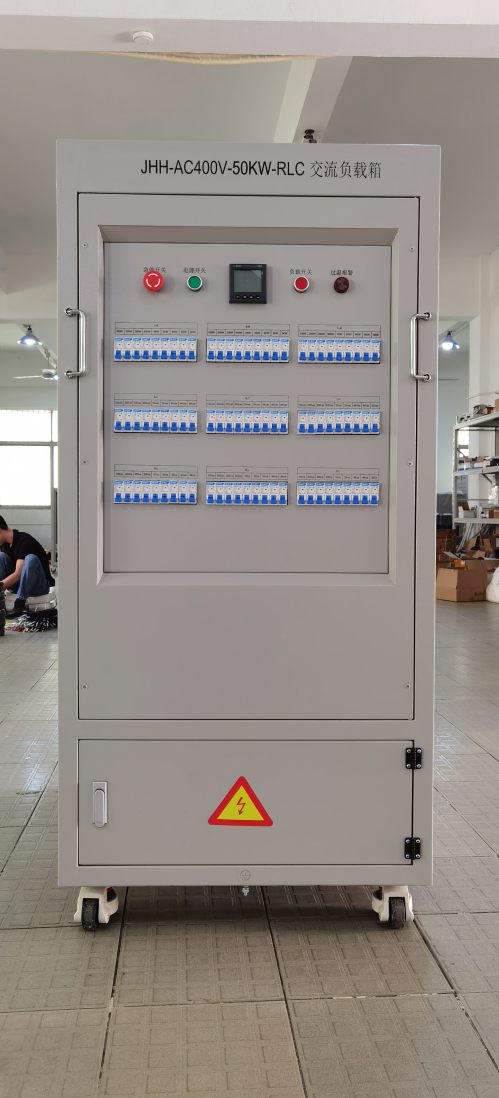
The core function of any load bank is to absorb electrical energy from a power source and convert it into heat—typically through resistive elements—but modern units can also introduce reactive (inductive or capacitive) components to mimic complex load profiles found in actual applications. For instance, an inductive load bank simulates motors, transformers, and other lagging power factor devices commonly found in manufacturing plants, while a capacitive load bank replicates leading power factor conditions seen in some renewable energy systems. A combined RLC load bank offers full-spectrum simulation by adjusting resistance, inductance, and capacitance simultaneously—a capability increasingly vital for microgrid testing and smart grid integration projects.
To ensure consistent results across different sites and conditions, international standards like IEC 60034-1 (Rotating electrical machines – Part 1: Rating and performance), IEEE 1547 (Standard for Interconnecting Distributed Resources with Electric Power Systems), and ISO 9001 (Quality management systems) guide the design, operation, and documentation of load bank tests. These standards emphasize proper calibration intervals (typically annually), thermal management strategies, grounding protocols, and clear measurement procedures including voltage, current, frequency, and power factor tracking over time. Based on our experience in field deployments across North America, Europe, and Asia, these requirements directly impact system reliability—for example, failing to ground a load bank properly can lead to transient overvoltages that damage sensitive electronics in data centers.
A simulated case study from a wind farm project in Denmark illustrates this point: during grid synchronization testing, engineers used a three-phase resistive load bank rated at 500 kW to verify the turbine's ability to handle sudden load changes. Without proper short-circuit protection in place, one phase experienced an unexpected surge that tripped the main breaker—an issue later traced back to improper grounding practices rather than equipment failure. This highlights why compliance with CE/UL/CCC certifications isn’t just regulatory but practical; certified units include built-in over-temperature sensors, E-STOP switches, and robust enclosures meeting IP54 standards for dust and water resistance, all critical for outdoor or harsh indoor environments.
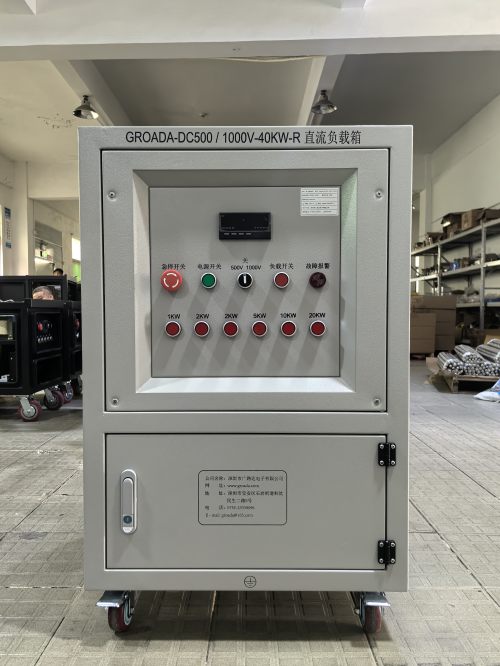
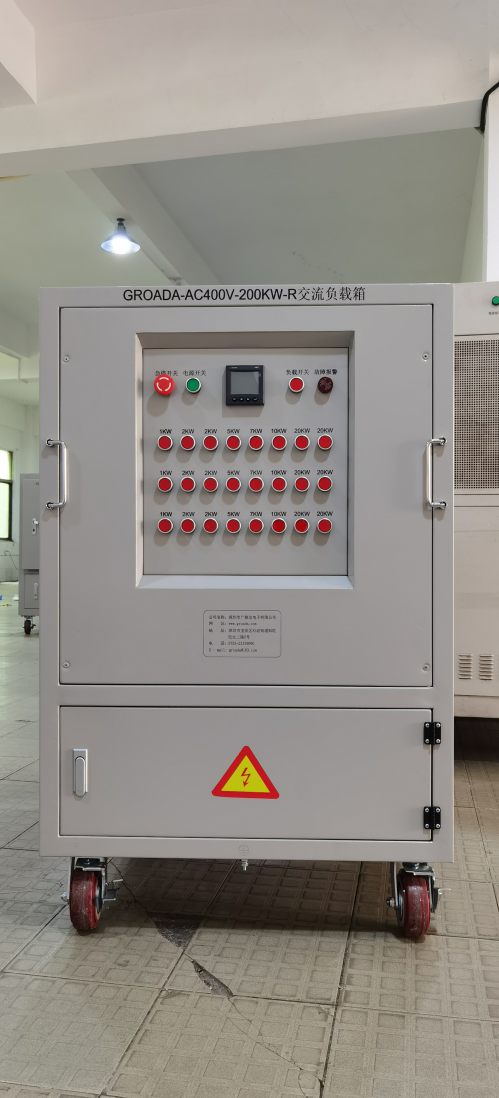
Mechanically, portable load banks range from compact 200 kg units mounted on casters to heavy-duty 2,000 kg models with integrated lifting rings and forklift bays. Most units feature passive cooling via forced air (fans) and are designed for single or three-phase operation up to 600 V AC. Active load banks, which use IGBTs or MOSFETs to actively dissipate power, are gaining traction in applications requiring dynamic load control, such as testing frequency regulation capabilities in distributed generation systems. While more expensive, active load banks provide smoother transitions between load levels and reduce thermal stress on components compared to traditional resistor-based systems.
Maintenance and calibration are equally important. Resistors typically last 8–10 years if operated within 80% of their rated capacity, though high-cycle operations (e.g., daily load tests) may shorten this lifespan. Fans should be cleaned quarterly, and filters replaced every six months depending on ambient air quality. Recommended spare parts include fuse kits, temperature probes, and fan assemblies—often available from OEMs within 48 hours. Calibration must be performed using NIST-traceable equipment, ideally by accredited third-party labs following ASTM E177 guidelines for uncertainty evaluation.
In summary, portable load banks are indispensable assets for maintaining reliable power infrastructure. Their ability to replicate diverse load scenarios—from steady-state testing to rapid ramping—makes them ideal for validating generator health, confirming UPS runtime, and preparing microgrids for islanded mode operation. By adhering to recognized standards, implementing regular maintenance routines, and selecting appropriate configurations based on application needs, operators can extend asset life, prevent costly downtime, and ensure compliance with global safety benchmarks.