Portable Load Bank Testing for Generator and UPS Systems: A Technical Guide for Engineers
Portable load banks are essential tools in the testing, commissioning, and maintenance of electrical power systems such as diesel generators, uninterruptible power supplies (UPS), and microgrids. These devices simulate real-world electrical loads to verify system performance under various operating conditions—ensuring reliability, safety, and compliance with international standards like IEC 60034-1 and IEEE 115.
A portable load bank typically consists of resistive, reactive (inductive or capacitive), or combined resistive-reactive components. Resistive load banks are the most common, using high-power resistors to convert electrical energy into heat, mimicking real-world resistive loads such as lighting, heating, and motor starters. Reactive load banks, on the other hand, introduce inductive or capacitive reactance to simulate lagging or leading power factor conditions—critical for testing generator excitation systems and voltage regulation. Combined RLC load banks provide both resistive and reactive capabilities, offering comprehensive testing for three-phase systems up to several megawatts.
The design of modern portable load banks prioritizes portability, ruggedness, and ease of operation. Units often feature IP54-rated enclosures for dust and splash protection, aluminum chassis for lightweight durability, and integrated lifting points or fork-lift bays for safe transport between sites. Cooling is typically managed via forced-air fan systems that operate at variable speeds based on temperature feedback from thermocouples placed within the load modules. Advanced models include built-in digital controllers with data logging, remote monitoring via Ethernet or wireless interfaces, and automatic load stepping sequences for standardized test procedures.
Safety is paramount during load testing. All certified portable load banks must comply with CE, UL, or CCC standards depending on regional markets. Key safety features include grounding terminals, short-circuit protection relays, over-temperature sensors, emergency stop buttons (E-STOP), and voltage/current limiters to prevent damage to the unit or connected equipment. For example, a simulated case study involving a 2 MW diesel generator used in a hospital backup system revealed that improper load ramping caused overheating of the generator’s alternator windings—a risk mitigated by implementing a step-wise load increase controlled by an automated load bank system.
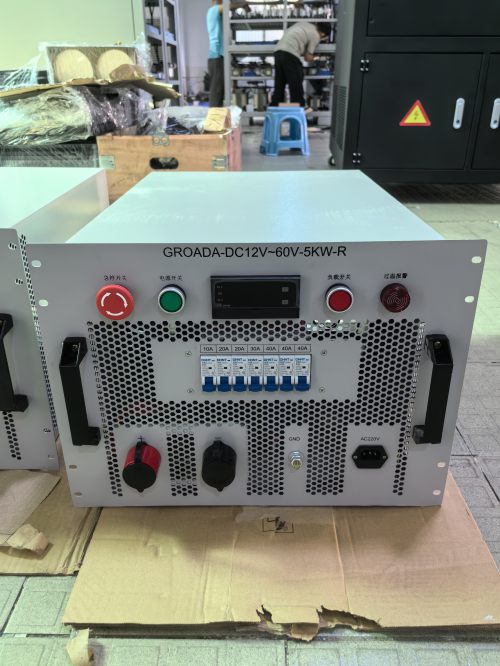
Maintenance requirements are straightforward but critical. Resistor elements should be inspected annually for signs of oxidation or mechanical stress; fans and filters require quarterly cleaning to ensure airflow efficiency. Calibration of current transformers, voltage sensors, and control logic must be performed every 12 months using traceable reference instruments per ISO/IEC 17025 standards. Recommended spare parts include replacement resistor packs, fan assemblies, and temperature probes, all of which are designed for quick swap-out without interrupting testing schedules.
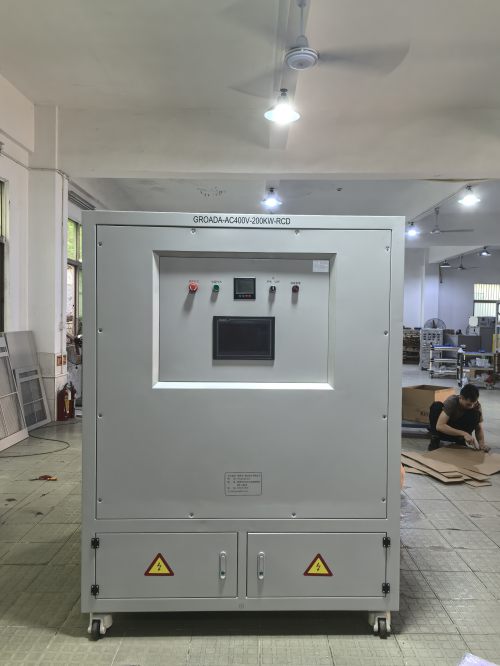
Load banks are widely used in applications such as factory acceptance tests (FAT) for new generators, periodic verification of standby systems, and grid interconnection testing for renewable energy sources like wind farms or solar PV installations. In one anonymous case study conducted in a European data center, a 1.5 MW UPS system was tested using a three-phase resistive load bank at 80% load for 4 hours. Parameters monitored included input/output voltage stability, battery runtime, and harmonic distortion. The test identified a minor issue with the static bypass switch’s thermal response, allowing corrective action before live deployment.
When selecting a portable load bank, engineers must consider key specifications: maximum rated power (in kVA or kW), phase configuration (single or three-phase), voltage range (e.g., 230–480 VAC), and whether active (energy regeneration) or passive (heat dissipation) technology is required. Active load banks offer significant advantages in energy efficiency and environmental impact—they feed excess power back into the grid instead of wasting it as heat—but come at a higher initial cost. Passive units remain more prevalent due to their simplicity, lower price point, and proven reliability across diverse industrial settings.
This technical guide emphasizes that successful load testing is not merely about applying load—it requires precision control, robust safety measures, and adherence to industry best practices. Whether deployed in construction sites, hospitals, or telecom towers, portable load banks serve as indispensable tools for ensuring uninterrupted power delivery. By following standardized testing protocols, maintaining proper calibration, and leveraging intelligent control systems, operators can extend asset life, reduce downtime, and meet regulatory expectations in mission-critical environments.