Understanding Load Bank Testing for Generator Performance and Reliability
Load bank testing is a critical process in ensuring the performance, reliability, and safety of power generation systems such as diesel generators, gas turbines, and renewable energy inverters. It involves simulating real-world electrical loads to evaluate how a generator responds under various conditions—from full load to partial load—before it is deployed in the field. This method allows engineers to identify potential issues like voltage instability, overheating, or mechanical wear that may not surface during idle operation.
The main body of load bank testing includes three primary types: resistive, reactive, and combination (RLC) load banks. Resistive load banks convert electrical energy into heat using precision resistor elements and are ideal for testing engine cooling systems, fuel efficiency, and basic generator output capacity. Reactive load banks simulate inductive or capacitive loads by introducing phase-shifted current, which helps assess the generator’s ability to handle lagging or leading power factors—a common scenario in industrial and commercial settings. Combination load banks provide both resistive and reactive components simultaneously, offering comprehensive load simulation for complex systems such as data centers or microgrids.
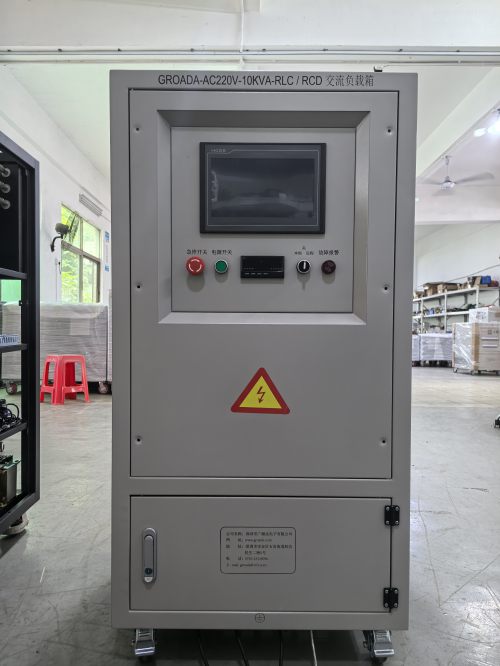
Safety is paramount in load bank operations. Modern load banks are equipped with multiple protection features including ground fault detection, overtemperature sensors, short-circuit protection, and emergency stop (E-STOP) buttons. Compliance with international standards such as IEC 60034-1 for motor testing and IEEE 1547 for grid interconnection ensures safe and reliable operation across global markets. Additionally, portable models often feature IP54-rated enclosures, fork-lift pockets, and lifting eyes to facilitate transport and installation in remote or temporary locations.
Maintenance is another key aspect of long-term load bank use. Regular calibration every 12 months using NIST-traceable equipment ensures measurement accuracy. Consumable parts like resistor blocks and fans should be replaced based on usage cycles—typically every 3–5 years depending on load intensity. A recommended spare parts list includes thermocouples, contactors, and cooling fans to minimize downtime.
In conclusion, load bank testing is not just a compliance requirement—it is a proactive engineering practice that enhances system longevity, reduces unplanned failures, and improves operational confidence. Whether used in factory acceptance tests, routine maintenance, or grid integration validation, load banks serve as essential tools in modern power infrastructure development.