Resistive Load Bank Testing for Generator Validation and Performance Assurance
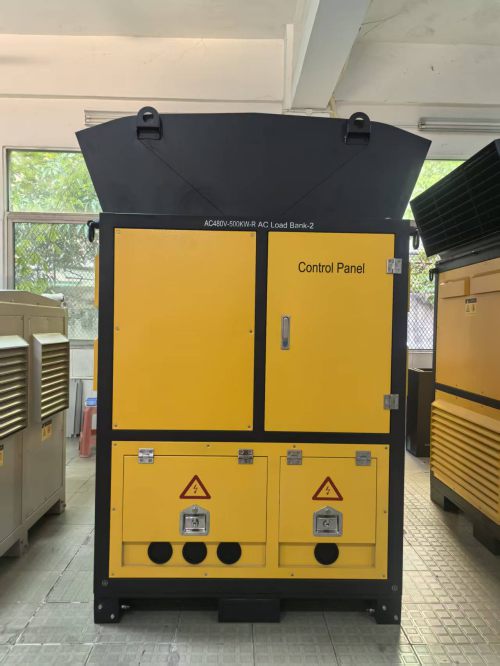
Resistive load banks are essential tools in the testing and validation of electrical power systems, particularly for generators, UPS units, and renewable energy sources. These devices simulate real-world electrical loads by converting electrical energy into heat through resistive elements, enabling engineers to verify system performance under controlled conditions. A properly designed resistive load bank ensures accurate load testing of single-phase or three-phase systems up to 1,000 kW or more, with precision control over voltage, current, and power factor.
Key parameters such as rated power (kW), voltage levels (e.g., 230V/400V AC), number of phases, and thermal protection are critical for safe operation. For example, a typical 500 kW three-phase resistive load bank operates at 400 VAC with a current range of 720 A per phase and includes air-cooled cooling systems with temperature sensors to prevent overheating. Modern units often integrate digital control interfaces like Modbus TCP/IP or RS-485, allowing remote monitoring and automated load cycling—ideal for factory acceptance tests (FAT) or preventive maintenance programs.
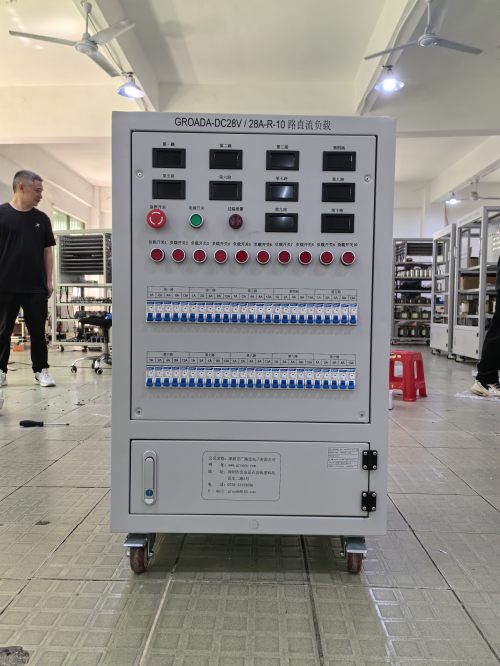
Safety standards such as IEC 60034-1 and UL 1004 govern design requirements including grounding, short-circuit protection, and emergency stop functions. In an anonymized case study from a diesel generator manufacturer, a 300 kW resistive load bank was used during FAT to confirm steady-state performance over 4 hours at 100% load, revealing a 2.5% voltage drop due to inadequate cable sizing—a finding that led to improved installation practices.
Regular calibration (every 12 months) using NIST-traceable equipment ensures measurement accuracy within ±0.5% for active and reactive power. Maintenance includes replacing resistor blocks every 5–7 years and cleaning fan filters monthly. Such structured testing not only validates generator readiness but also extends asset life by identifying issues before they cause failures.