Portable Load Bank Testing for Generator Performance Validation
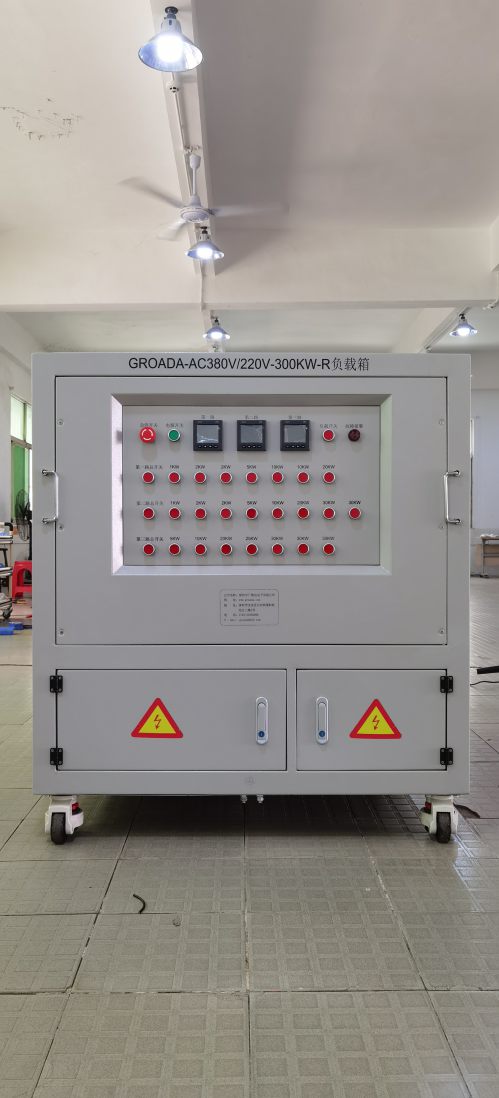
Portable load banks are essential tools in the power generation industry, used to simulate real-world electrical loads on generators, UPS systems, and renewable energy sources such as wind turbines or solar inverters. Their primary function is to verify that a power source can deliver stable voltage, frequency, and current under various operating conditions—ensuring reliability before commissioning or during routine maintenance. Unlike fixed installation load banks, portable models offer flexibility in deployment across remote sites, construction zones, or emergency response scenarios.
A typical portable load bank consists of resistive, reactive (inductive), capacitive, or combination (RLC) elements. Resistive load banks consume active power only and convert it into heat—a common choice for generator factory acceptance tests (FATs). Reactive load banks, often used with inductive loads like motors or transformers, help evaluate reactive power handling capability and system stability. Combination RLC units provide comprehensive testing by simulating both active and reactive power demands simultaneously, which is critical for grid-connected microgrids or diesel-generating sets in industrial facilities.
From an engineering standpoint, modern portable load banks adhere to international standards such as IEC 60034-1 (for electric motor performance testing) and IEEE 1159 (for power quality guidelines). These ensure safe operation, accurate measurement, and consistent test results. For instance, IEC 60034-1 mandates that rotating machines be tested at full load to validate mechanical and thermal endurance—something a well-designed load bank must replicate safely without overheating or damaging equipment.
Key technical specifications include rated power capacity (e.g., 100 kW to 2000 kW), three-phase input capability, adjustable power factor (from 0.8 lagging to 0.8 leading), and built-in thermal protection mechanisms. Cooling methods vary between air-cooled (fan-assisted) and water-cooled systems, depending on the size and continuous duty cycle required. High-end models feature remote monitoring via Modbus RTU/ASCII, Ethernet TCP/IP, or CAN bus interfaces—allowing engineers to control load levels from a central dashboard while collecting real-time data on voltage, current, active/reactive power, and temperature rise.

Safety features are non-negotiable. Each unit must comply with CE, UL, or CCC certifications based on regional regulations. Grounding points, overvoltage/undervoltage protection, short-circuit detection, and emergency stop buttons (E-STOP) are standard. In one anonymized case study involving a 500 kVA diesel generator at a mining site in South Africa, a portable resistive load bank was used to conduct a 4-hour full-load test. The generator initially showed a 3% voltage drop under 90% load but stabilized after adjusting the AVR (Automatic Voltage Regulator) settings—a finding that prevented potential downtime during peak operations.
Maintenance intervals typically range from six months to one year, depending on usage intensity. Calibrations should follow ISO/IEC 17025 guidelines using NIST-traceable instruments. Replacement parts include resistor blocks (life expectancy ~5–7 years), cooling fans (every 2–3 years), and contactors (as needed). Recommended spare parts kits often contain fuses, thermocouples, and control boards for rapid field repair.
For procurement teams evaluating vendors, consider not just price but total cost of ownership—including portability (IP rating ≥ IP54), ease of setup (with fork-lift pockets and lifting eyes), and integration capabilities with existing SCADA or BMS systems. A simulated example from a hospital backup power system in Germany demonstrated how a three-phase reactive load bank identified harmonic distortion issues in a UPS during load ramp-up tests—an issue resolved by installing passive filters, improving uptime and reducing energy losses.
This level of precision ensures that portable load banks do not merely serve as test devices—they become part of the operational assurance strategy for mission-critical infrastructure.