Portable Load Bank Testing for Generator Reliability and Performance Validation
Portable load banks are essential tools for testing the reliability, efficiency, and safety of electrical power systems—especially generators used in backup, industrial, and renewable energy applications. These devices simulate real-world electrical loads by drawing power from a source and dissipating it as heat, allowing engineers to verify system performance under controlled conditions. A typical portable resistive load bank can handle up to 1000 kW at 480 VAC three-phase, with adjustable power factors from 0.8 lagging to 1.0, making it suitable for both utility-scale and field-deployed systems.
Practical applications include factory acceptance tests (FAT) for new generators, preventive maintenance checks on standby diesel units, and commissioning of solar or wind farm grid connections. For example, during a simulated case study involving a 500 kVA generator at a remote mining site, a 3-phase reactive load bank was used to validate voltage regulation under inductive loads over 2 hours, revealing a 7% drop in terminal voltage that prompted corrective action before full deployment.
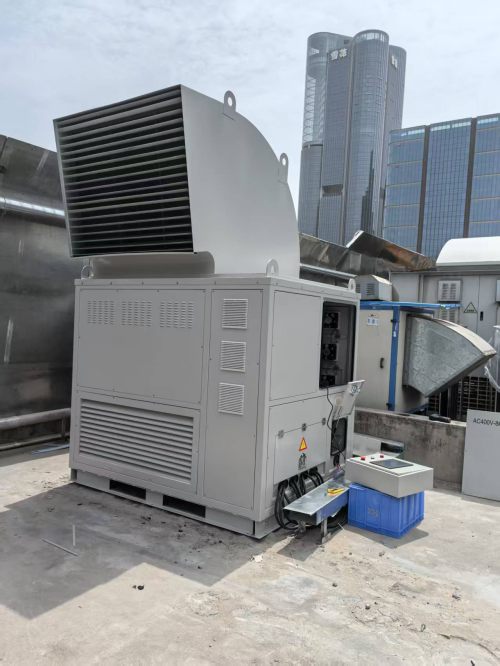
Advantages of modern portable load banks include precise control via Modbus TCP/IP communication, remote monitoring through cloud platforms, and integrated thermal protection systems that prevent overheating. Their modular design allows easy scaling for different load levels—ideal for temporary sites like construction zones or disaster relief operations.
Common problems include inadequate cooling leading to premature resistor failure, poor grounding causing measurement errors, and improper load sequencing that may stress engine governors. According to IEC 60034-1, generator testing must simulate real operating conditions within ±5% accuracy for voltage and current, which modern load banks meet using high-resolution sensors (±0.5% accuracy).
Latest trends involve AI-driven diagnostics, where load bank data is analyzed in real time to predict wear on components such as alternators or fuel injectors. Some manufacturers now offer IoT-enabled units that send alerts when temperature exceeds safe thresholds—a key feature for unattended testing environments.
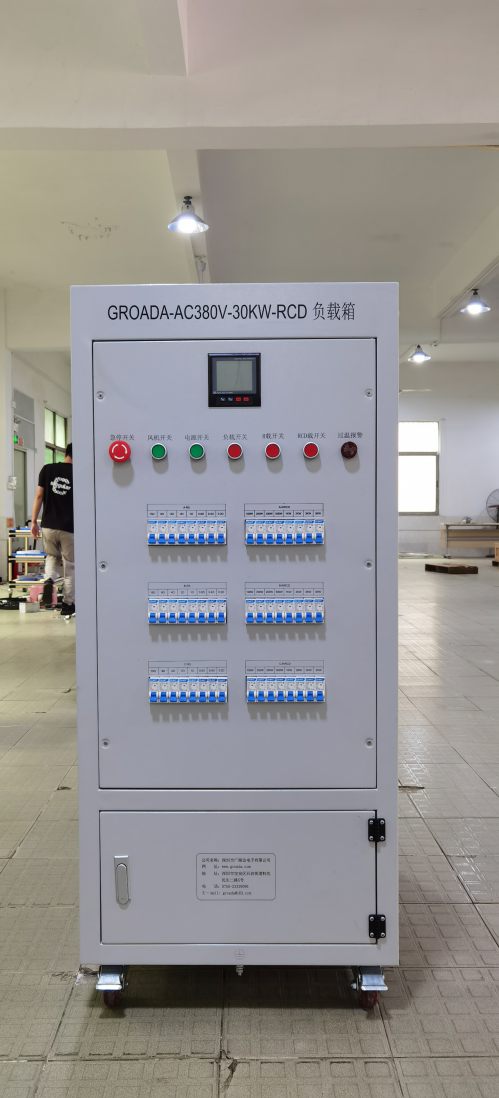
To ensure longevity, regular calibration every 12 months using NIST-traceable equipment is recommended, along with replacement of fan modules every 3–5 years based on runtime. Maintenance logs should be kept per IEEE 1159 standards to maintain compliance and optimize uptime.