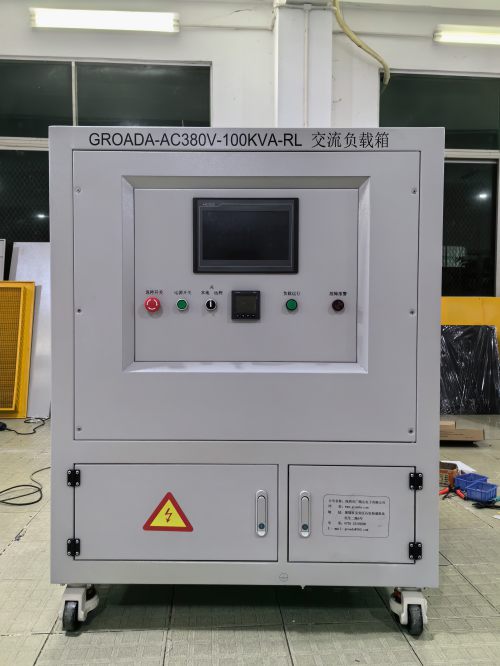
Resistive Load Bank Testing for Generator Performance and Reliability
Resistive load banks are essential tools in the testing and validation of electrical power systems, especially for generators, UPS units, and renewable energy installations. These devices simulate real-world electrical loads by converting electrical energy into heat through resistive elements, allowing engineers to evaluate system performance under controlled conditions. A typical resistive load bank is designed for three-phase applications, with power ratings ranging from 50 kW to 2,000 kW, and voltage levels from 120 V to 690 V AC. The load can be adjusted stepwise or continuously via remote control interfaces such as Modbus RTU or Ethernet, enabling precise simulation of partial or full-load scenarios.
In generator factory acceptance tests (FAT), a resistive load bank ensures that the engine and alternator operate efficiently across various load points—from 25% to 100%—while maintaining stable voltage and frequency. According to IEC 60034-1, motor and generator performance must be verified under load to confirm thermal stability and mechanical integrity. During these tests, key parameters like active power (kW), reactive power (kVAR), power factor (PF), and temperature rise are measured with accuracy within ±1% using calibrated instruments. Thermal protection mechanisms prevent overheating, while short-circuit and overvoltage protections ensure safety during transient events.
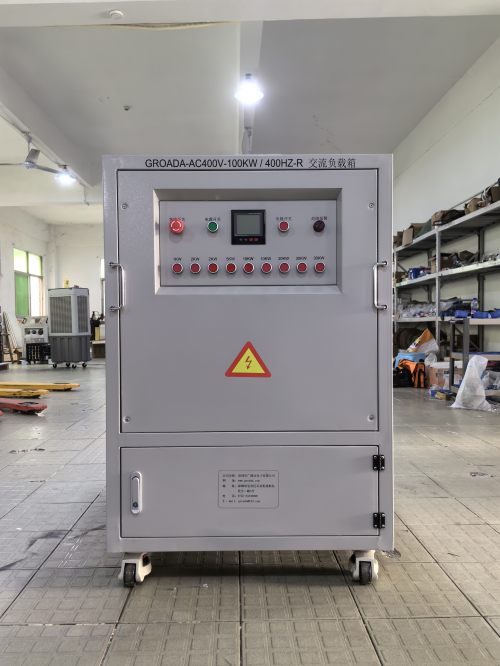
Portable models often feature IP54 enclosures, fork-lift pockets, and lifting eyes for easy transport, making them ideal for field use at wind farms or data centers. Maintenance includes annual calibration against NIST-traceable standards, inspection of resistor blocks for oxidation, and replacement of fans every 2–3 years depending on environmental conditions. A simulated case study involving a 1 MW diesel generator used a 1 MW resistive load bank for 8 hours at 75% load; the test revealed a 3% voltage drop due to cable impedance, prompting rewiring adjustments before commissioning.
For reliable long-term operation, choosing a load bank compliant with CE, UL, or CCC certifications ensures adherence to regional safety standards. These tools are also crucial for microgrid integration testing, where dynamic load response must be validated before grid synchronization.