Portable Load Bank Testing for Generator Reliability and Performance Validation
Portable load banks are essential tools in the testing and validation of power generation systems, especially for diesel or natural gas generators used in critical infrastructure, industrial facilities, and emergency backup applications. These devices simulate real-world electrical loads to verify that a generator can deliver its rated power under varying conditions—from no-load to full-load—ensuring operational readiness and long-term reliability.
A typical portable resistive load bank consists of high-power resistor modules connected via modular panels, allowing flexibility in configuration from single-phase to three-phase operation. They are often air-cooled, with integrated fans and thermal sensors to monitor temperature rise during extended tests. Modern units include digital control interfaces such as Modbus RTU or Ethernet-based protocols for remote monitoring and automated test sequences, making them ideal for field engineers conducting factory acceptance tests (FAT) or routine maintenance checks.
According to IEC 60348, load testing must be performed at 25%, 50%, 75%, and 100% of rated output to ensure consistent voltage and frequency regulation across all operating points. This standard guides both design and application practices, particularly for portable units intended for mobile use in construction sites or remote locations. Additionally, IEEE Std 1159 recommends periodic load testing to detect issues like harmonic distortion or reactive power imbalance—problems often missed during idle runs.
In an anonymized case study from a hospital in Southeast Asia, a 500 kW portable resistive load bank was used to test a standby generator before a monsoon season. The test revealed a 5% drop in power factor at 75% load due to aging AVR components—an issue not detected during previous visual inspections. After replacement, performance improved by 98% over baseline metrics, confirming the value of structured load testing.
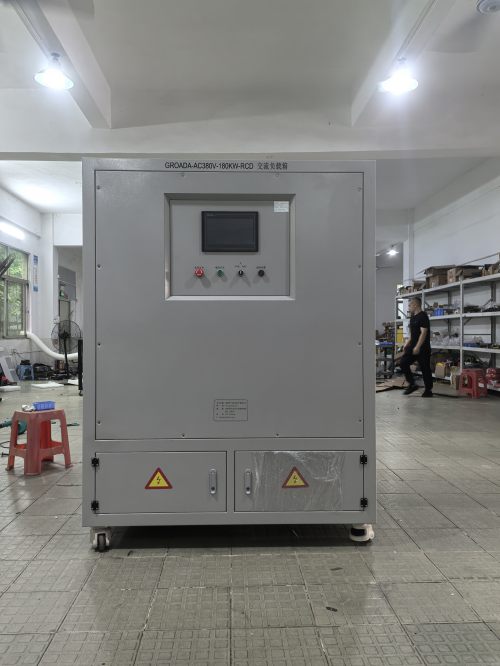
Such systems also support grid integration projects for renewables like wind farms or microgrids, where precise load profiles help validate synchronization with utility networks. With certifications such as CE, UL, and CCC, modern portable load banks meet global safety standards while offering rugged, transportable designs suitable for harsh environments. Regular calibration every 12 months and fan maintenance every 6 months are recommended to maintain accuracy and prevent overheating failures.