Portable Load Bank Testing for Generator Performance Validation
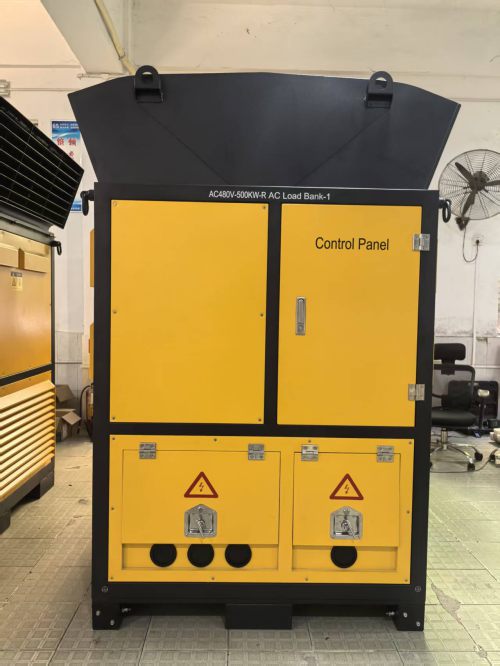
Portable load banks are essential tools in the electrical testing and validation of power generation systems, especially for generators used in remote sites, industrial facilities, and emergency backup applications. These devices simulate real-world electrical loads to ensure that a generator can deliver stable voltage, frequency, and power output under various operating conditions. Unlike fixed installation systems, portable load banks offer flexibility in deployment—whether for factory acceptance testing (FAT), commissioning, or routine maintenance.
A typical portable resistive load bank consists of high-power resistor modules arranged in three-phase configurations, allowing for precise control of active power (kW) without reactive components. For more comprehensive testing, combination (RLC) load banks can introduce adjustable reactive power (kVAR) to evaluate generator excitation systems, voltage regulators, and harmonic performance. The ability to vary power factor from 0.8 lagging to 1.0 unity is crucial for verifying compliance with IEC 60349-1 standards for generator behavior under different loading scenarios.
Modern portable units often feature intelligent control systems with Modbus RTU/ASCII or Ethernet communication protocols, enabling remote monitoring via SCADA or PLC interfaces. Built-in thermal protection, overvoltage/undervoltage safeguards, and emergency stop functionality ensure safe operation even during prolonged tests. Cooling methods range from forced-air convection to water-cooled variants, depending on continuous power rating—typically up to 2 MW per unit. Mechanical design includes IP54-rated enclosures, lifting eyes, and fork-lift pockets for ease of transport across rugged environments.
In practice, these systems are widely used in oil & gas field operations where diesel generators must be validated before startup, or in renewable energy projects like wind farms requiring grid synchronization tests. An anonymized case study from a solar-plus-storage microgrid project showed that using a 500 kW portable RLC load bank helped identify an issue with the generator’s AVR response time, which was later corrected to meet IEEE 1547 compliance.
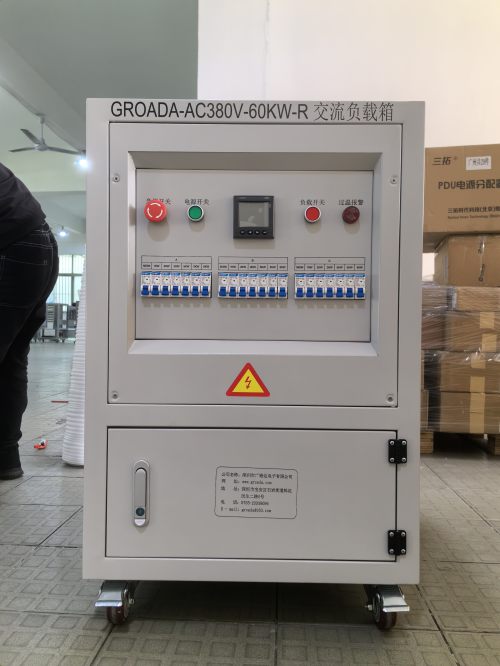
Regular calibration (every 12 months) and maintenance of fan assemblies and resistor blocks ensure long-term accuracy and reliability. By integrating standardized testing procedures with robust engineering design, portable load banks remain indispensable for maintaining grid stability and ensuring operational readiness in critical infrastructure.