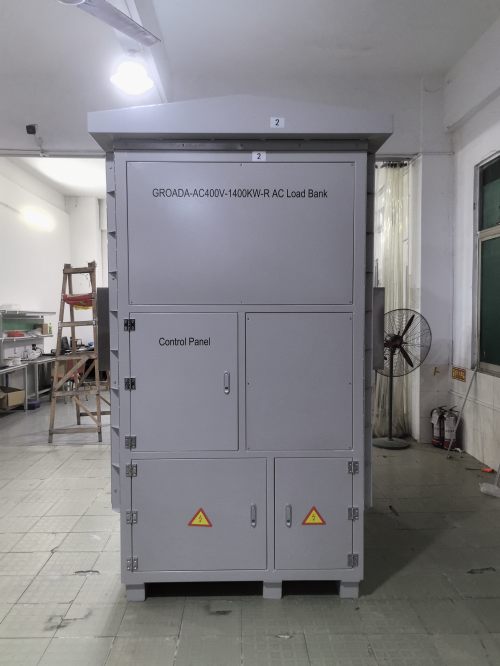
Resistive Load Bank Testing for Generator Performance Validation
Resistive load banks are essential tools in the field of electrical testing, particularly for validating generator performance under real-world operating conditions. Unlike reactive or capacitive loads, resistive load banks convert electrical energy directly into heat through precision-engineered resistor elements, making them ideal for simulating pure active power demands such as those from lighting, heating, and motor loads. These devices enable comprehensive testing of generators—from factory acceptance to site commissioning—by allowing operators to apply controlled, step-wise loads up to 100% of rated capacity.
Modern resistive load banks comply with international standards such as IEC 60034-1 (rotating machines) and IEEE 1159 (power quality), ensuring safe and accurate testing procedures. Key technical parameters include power ratings (from 5 kW to over 5 MW), three-phase voltage compatibility (e.g., 230/400 V AC), adjustable power factor (typically fixed at unity for resistive models), and robust thermal management via forced air cooling or water-cooled systems. Temperature sensors and automatic shutdown mechanisms prevent overheating, while remote monitoring via Modbus RTU or Ethernet ensures operational safety even during unattended tests.
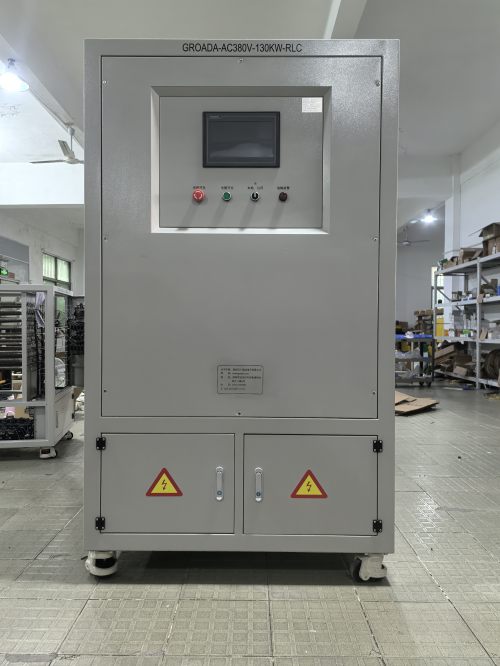
In an anonymized case study from a utility-scale solar farm in Spain, a 250 kW resistive load bank was used to verify the response time and stability of a diesel generator backup system during grid disconnection events. The test confirmed that the generator maintained frequency and voltage within ±1% tolerance for over 30 minutes under full load—an outcome aligned with ISO 8528-12 requirements for emergency power systems. This type of testing is critical for microgrid integration projects where reliable generator behavior must be guaranteed before commercial operation.
Engineers rely on these systems not only for performance validation but also for preventive maintenance diagnostics. Regular load testing helps identify issues like fuel system inefficiencies, alternator degradation, or control unit faults before they lead to catastrophic failure. With features like built-in digital meters (accuracy ±0.5% for voltage, current, power), E-stop functionality, and CE/UL certification, today’s resistive load banks offer both precision and safety for global deployment across industrial, marine, and telecom applications.