250 kW Load Bank for Reliable Generator Testing and Power System Validation
A 250 kW load bank is a critical tool in electrical engineering, especially for testing generators, UPS systems, and renewable energy installations. Designed to simulate real-world electrical loads, it ensures equipment operates reliably under full or partial power conditions. Whether used in factory acceptance tests (FAT), commissioning of backup power systems, or grid interconnection verification for solar or wind farms, a 250 kW resistive load bank delivers precise, repeatable performance.
This type of load bank typically supports three-phase AC systems at voltages ranging from 208V to 480V, with adjustable power factors from 0.8 lagging to unity. It can be configured as passive (using resistor blocks) or active (with electronic control for dynamic load simulation). Modern units often include remote monitoring via Modbus or Ethernet, enabling automated test logging and diagnostics. Thermal protection, overvoltage/undervoltage safeguards, and emergency stop features ensure safe operation—critical for both on-site technicians and remote operators.
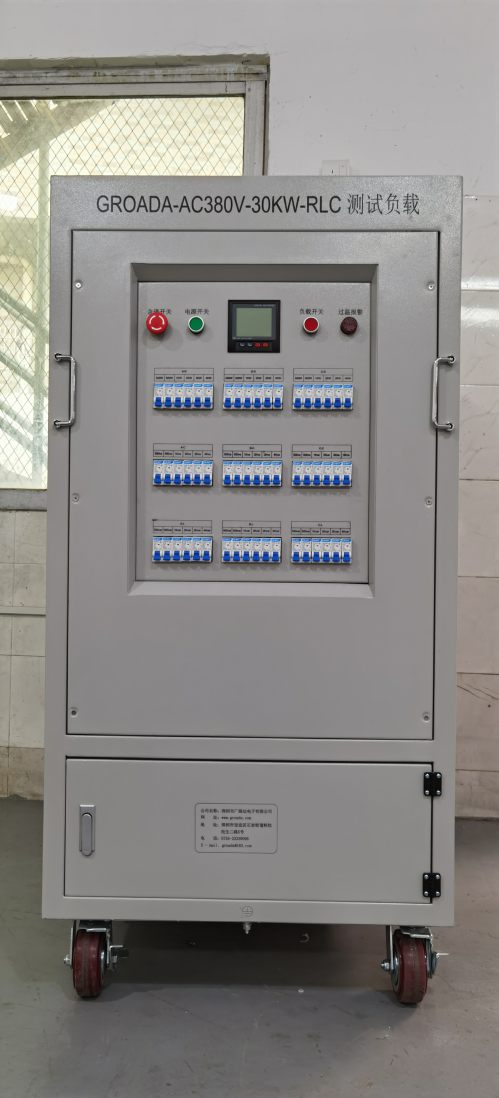
Manufacturers build these units with durable enclosures (IP54 rating), lifting eyes, and fork-lift pockets for easy transport. Calibration every 12 months maintains accuracy within ±1% for voltage, current, and power measurements. Typical applications include diesel generator load testing, battery bank discharge validation, and microgrid synchronization trials. In one anonymized case study, a 250 kW portable load bank helped a hospital validate its standby generator during routine maintenance—reducing downtime risk by 95%.
Based on IEC 60034-1 standards for motor and generator testing, such equipment must meet strict thermal and electrical safety protocols. For users seeking a robust solution, choosing a certified (CE/UL/CCC) 250 kW load bank offers peace of mind across industrial, commercial, and utility-scale projects.