Portable Load Bank Testing for Generator Reliability and Performance Validation
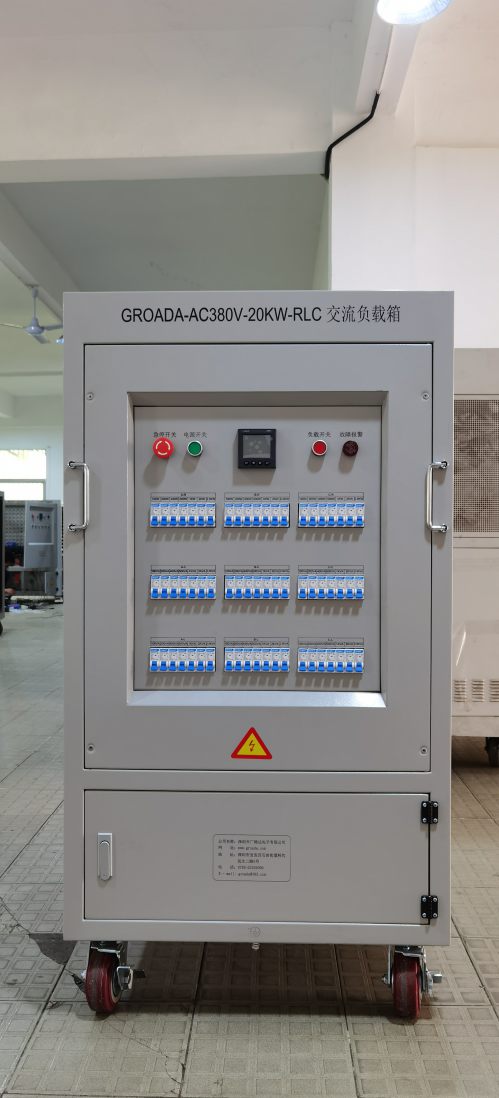
Portable load banks are essential tools for testing the performance, reliability, and safety of electrical power systems—especially generators used in critical infrastructure, remote operations, and emergency backup applications. Unlike fixed installations, portable load banks offer flexibility in deployment across different sites, making them ideal for factory acceptance tests (FAT), commissioning, routine maintenance, and grid integration scenarios. These units simulate real-world electrical loads by drawing power from the generator under test and converting it into heat through resistive or reactive components.
A typical portable load bank may be rated from 50 kW to 1,000 kW, with three-phase configurations up to 480 VAC, and includes features such as automatic load step control, remote monitoring via Modbus or Ethernet, and thermal protection systems that prevent overheating. For instance, a 300 kW resistive load bank can validate a diesel generator’s ability to sustain full load for 1–2 hours without voltage drop or excessive temperature rise—an essential check per IEC 60034-1 standards for motor and generator testing.
Reactive and capacitive load banks add realism by simulating inductive (motors, transformers) and capacitive (power factor correction) loads, allowing engineers to evaluate power factor stability and harmonic distortion under mixed-load conditions. This is especially important for microgrids, wind farms, or data centers where nonlinear loads dominate. In one anonymized case study involving a 2 MW diesel generator at a mining site, a portable RLC load bank revealed poor voltage regulation during sudden load changes—leading to firmware updates and improved governor response time.
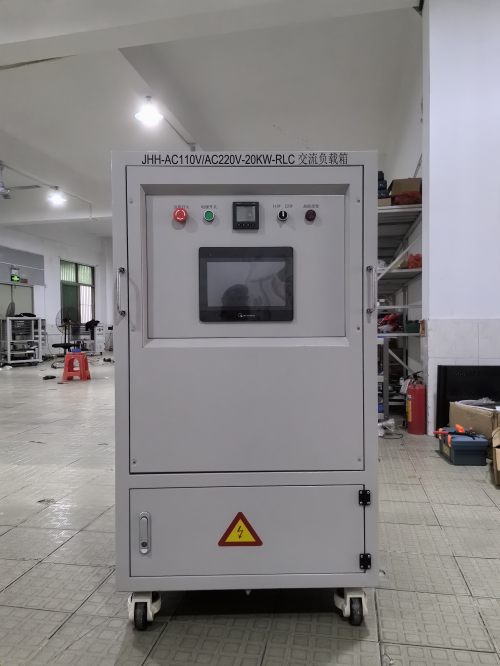
Modern portable load banks also integrate digital control panels with real-time measurement accuracy within ±0.5% for active power, current, and voltage, ensuring compliance with IEEE 1159 guidelines for power quality. Safety features like E-STOP buttons, grounding verification, and overvoltage/undervoltage protection make these units suitable for both industrial and field environments. Their air-cooled design allows operation in temperatures ranging from –10°C to +50°C, while IP54-rated enclosures protect against dust and water ingress.
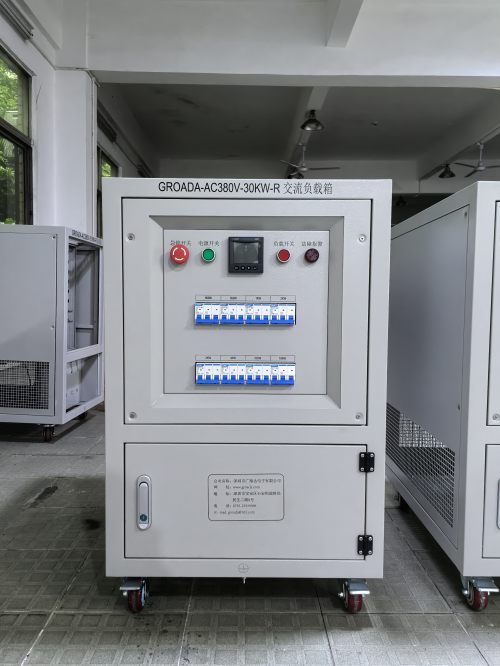
With regular calibration every 12 months and easily replaceable resistor blocks and fans, these systems ensure long-term operational integrity. Whether used for generator readiness before major events or validating UPS systems in telecom towers, portable load banks remain indispensable for power system engineers worldwide seeking objective, repeatable, and safe load testing procedures.