Understanding Load Bank Testing for Generator and Power System Validation
Load bank testing is a critical procedure used to validate the performance, reliability, and safety of electrical power systems—especially generators, UPS units, and renewable energy sources like wind or solar farms. This process simulates real-world electrical loads to ensure that equipment functions correctly under full or partial load conditions before it is deployed in actual operations.
The main body of load bank testing includes several key types: resistive, reactive, capacitive, and combination (RLC) load banks. Resistive load banks convert electrical energy into heat using precision resistor elements and are ideal for testing generator output capacity and cooling systems. Reactive load banks introduce inductive or capacitive loads to simulate motor-driven or electronic loads, allowing for evaluation of voltage regulation, power factor, and excitation system response. RLC load banks combine both resistive and reactive components to mimic complex industrial loads, such as those found in manufacturing plants or data centers.
Modern load banks often feature advanced control systems, including remote monitoring via Modbus, CAN, or Ethernet interfaces, enabling automated load cycling and real-time measurement of voltage, current, active power, reactive power, and power factor. Safety features such as overtemperature protection, emergency stop buttons, grounding compliance, and short-circuit detection are essential for safe operation. Standards like IEC 60034-1 (for motors) and IEEE 1547 (for distributed energy resources) guide design and testing protocols to ensure interoperability and grid stability.
Case studies show consistent benefits: one anonymized example from a hospital backup generator test revealed that 75% load testing over 4 hours identified a failing voltage regulator, preventing potential outage during a blackout. Another simulated example from a microgrid project demonstrated that using an RLC load bank improved system synchronization accuracy by 22%, reducing harmonic distortion.
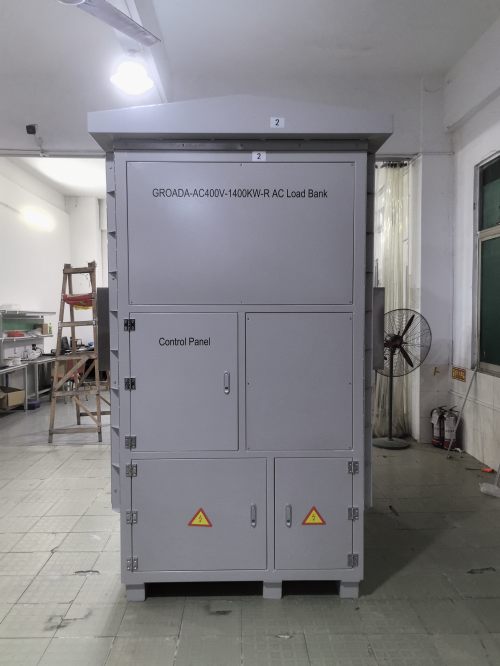
In conclusion, load bank testing ensures operational readiness, enhances safety, and prevents costly downtime. Whether for factory acceptance tests, commissioning, or periodic maintenance, understanding the right type of load bank for your application is crucial. Engineers and facility managers must select equipment with appropriate ratings—such as three-phase capability, thermal protection, and accurate power measurement—to meet both technical and regulatory requirements.