Portable Load Bank Testing Solutions for Generator and UPS Systems
Portable load banks are essential tools in the testing, commissioning, and maintenance of electrical power systems such as diesel generators, uninterruptible power supplies (UPS), and renewable energy inverters. These devices simulate real-world electrical loads to verify system performance under various conditions—ensuring reliability before critical operations begin or during routine checks. As industrial and commercial infrastructure grows more complex, especially with increasing adoption of microgrids and hybrid power systems, portable load banks have become indispensable for field engineers, facility managers, and service technicians.
A typical portable load bank consists of resistive, reactive, capacitive, or combination (RLC) elements that can be configured based on the test requirements. Resistive load banks convert electrical energy into heat using high-power resistor blocks—a method widely used for generator loading tests due to its simplicity and predictable behavior. Reactive load banks, often inductive or capacitive, allow simulation of lagging or leading power factors, which is vital when testing voltage regulation and excitation systems in alternators. Combination load banks offer both resistive and reactive components, enabling comprehensive testing of generators under full-load conditions with variable power factor settings.
The design of modern portable load banks emphasizes portability, safety, and remote control capabilities. Units range from lightweight bench-top models (under 50 kg) to heavy-duty wheeled units (up to 1,500 kg), with features like fork-lift pockets, lifting eyes, and IP54-rated enclosures for harsh environments. Cooling mechanisms typically include forced air ventilation via industrial-grade fans or water-cooled systems for higher kW ratings (>1 MW). Thermal protection sensors ensure safe operation by monitoring internal temperatures and automatically reducing load if overheating occurs—a feature aligned with IEC 60034-1 standards for motor and generator thermal performance.
Key technical parameters must be clearly defined when selecting a portable load bank. For example, a three-phase unit rated at 300 kW at 400 VAC with a current rating of 433 A per phase allows testing of medium-sized diesel generators commonly found in data centers or hospitals. Power factor adjustment ranges between 0.8 lagging and 0.8 leading provide flexibility for simulating different types of connected loads—such as motors (inductive) or capacitor banks (capacitive). Voltage and current measurement accuracy within ±0.5% ensures reliable data logging for compliance reporting, while Modbus RTU/ASCII or Ethernet interfaces enable integration with SCADA systems or cloud-based monitoring platforms.
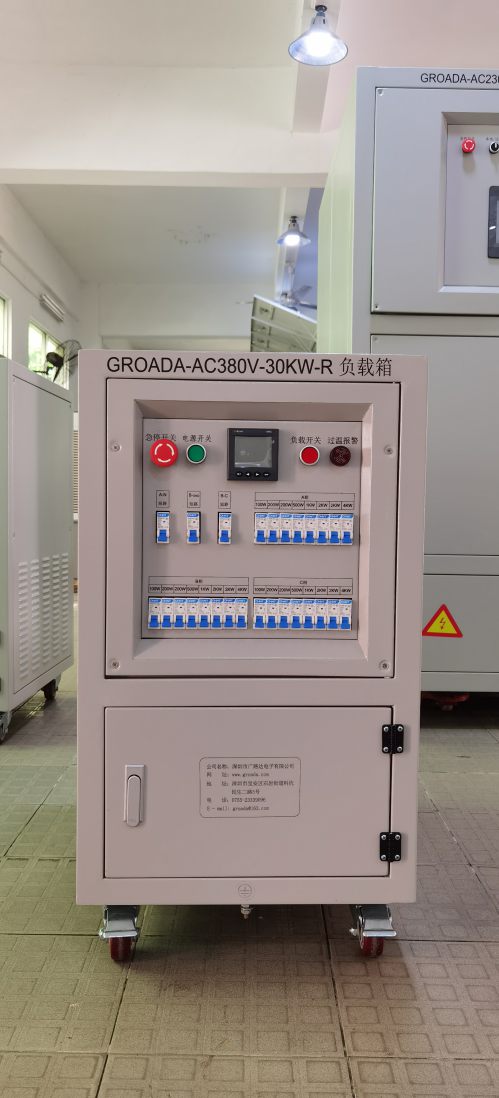
Safety is paramount in any load bank application. All units must comply with relevant certifications such as CE (Europe), UL/cUL (North America), and CCC (China), ensuring adherence to national electrical safety codes. Additional protections include grounding terminals, short-circuit detection circuits, overvoltage/undervoltage shutdowns, and emergency stop buttons mounted on the chassis for quick access. In simulated case studies, such as a generator factory acceptance test (FAT) conducted by an independent engineering firm in Germany, failure to install proper grounding led to inconsistent readings across phases—a lesson reinforced by IEEE Std 115-2019 guidelines on synchronous machine testing.
Maintenance and calibration are equally important. Most manufacturers recommend annual calibration against traceable reference standards (e.g., NIST or PTB-certified equipment). Consumables like resistor blocks may require replacement every 3–5 years depending on usage intensity, while fan assemblies should be inspected quarterly for dust accumulation and bearing wear. A recommended spare parts list usually includes fuses, temperature probes, and connectors to minimize downtime during field service calls.
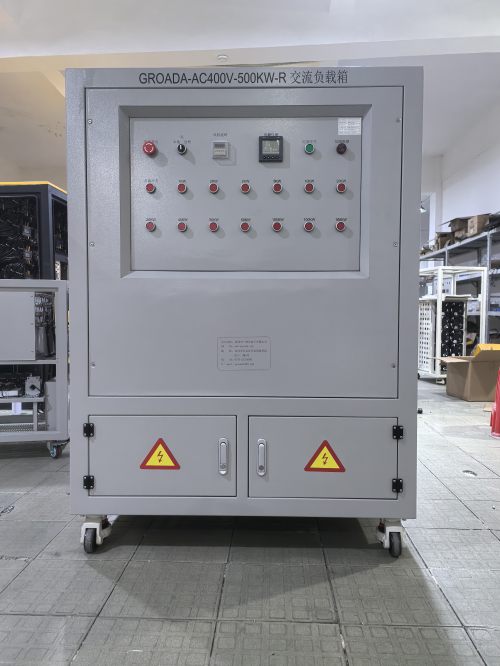
In addition to traditional applications like generator load testing, portable load banks now play a growing role in grid-connected renewable projects. For instance, wind farm developers use them to validate inverter synchronization before grid interconnection. One anonymized case study from Australia showed how a 500 kW resistive load bank was deployed to test a 1 MW solar inverter’s response to sudden load changes—a scenario critical for meeting grid code requirements in Victoria. The test revealed a delay in fault ride-through functionality, prompting firmware updates that improved compliance with Australian Energy Market Operator (AEMO) regulations.
Another emerging application involves testing backup power systems in remote locations where utility power is unreliable. Mobile load banks have been successfully used in off-grid mining operations in South Africa, where consistent generator performance directly impacts operational continuity. In these cases, load banks help identify issues like fuel inefficiency, poor cooling airflow, or governor instability that might otherwise go unnoticed until a blackout event occurs.
From an engineering perspective, understanding the difference between active and passive load bank designs is crucial. Active load banks employ power electronics to regenerate power back to the source—a technique increasingly adopted in laboratories for energy-efficient testing—but they come at a higher cost and complexity. Passive load banks, which dissipate energy as heat, remain the most common choice for field applications due to their robustness and lower maintenance needs. However, advancements in digital controls now allow passive units to achieve near-ideal power factor correction through precise switching logic, making them competitive with active solutions in many scenarios.
Ultimately, the selection of a portable load bank depends on specific project needs: power capacity, phase configuration, portability requirements, environmental conditions, and budget constraints. Engineers must also consider future scalability—for example, modular load banks that can be expanded from 100 kW to 1 MW in increments—making them ideal for facilities planning long-term growth.
To support informed decision-making, this article references authoritative sources including:
1. IEC 60034-1 (2023) – “Rotating electrical machines – Part 1: Rating and performance”
2. IEEE Std 115-2019 – “IEEE Guide for Test Procedures for Synchronous Machines”
3. AS/NZS 3000:2018 – “Electrical installations (known as the Wiring Rules)” — Australia/New Zealand
These standards guide not only equipment design but also best practices in load testing procedures, ensuring consistent results across international markets.