Portable Load Bank Testing for Generator Performance Validation
Portable load banks are essential tools for verifying the performance and reliability of generators in various industries, including construction, data centers, and emergency power systems. These devices simulate real-world electrical loads to test generator output under controlled conditions, ensuring that equipment operates efficiently before deployment or after maintenance.
The introduction highlights the growing need for reliable on-site testing solutions as infrastructure demands increase globally. Generators must meet strict performance standards—especially in critical applications such as hospitals, telecom towers, and remote mining operations—where downtime can be catastrophic. Portable load banks provide a practical way to validate generator capacity without relying on external power sources or complex installations.
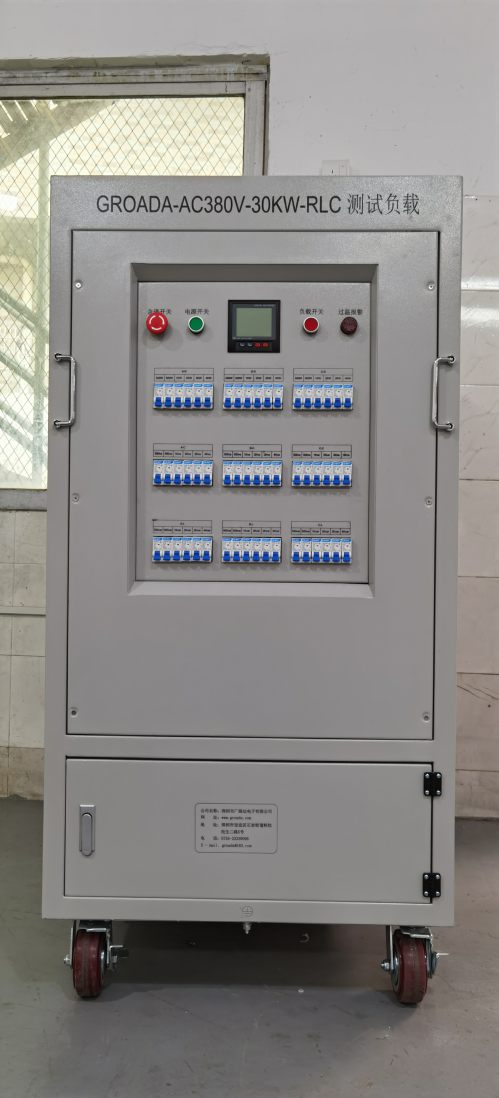
In the main body, the article outlines three key types of portable load banks: resistive, reactive, and combination (RLC). Resistive load banks simulate pure resistive loads like lighting or heating systems, allowing engineers to test active power output. Reactive load banks mimic inductive or capacitive loads found in motors or transformers, enabling tests of apparent power and power factor stability. Combination units offer both capabilities, making them ideal for comprehensive generator acceptance testing per IEC 60034-1 standards.
Technical specifications vary by model but typically include rated power from 5 kW to 2000 kVA, single-phase or three-phase configurations, adjustable power factors (from 0.8 lagging to 1.0), and built-in cooling systems using forced air or water circulation. Modern units feature remote monitoring via Modbus RTU or Ethernet protocols, with digital displays for voltage, current, power, and temperature readings accurate within ±1%. Safety features such as overtemperature shutdown, short-circuit protection, and CE/UL certification ensure compliance with international safety norms.
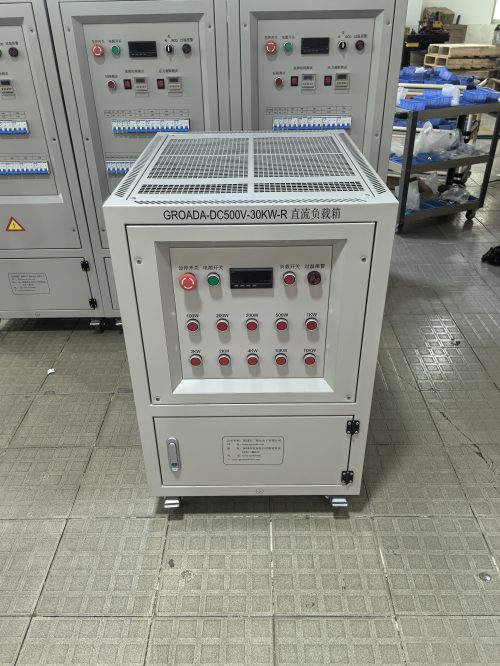
A simulated case study from a wind farm project demonstrates how a 500 kW portable resistive load bank was used during commissioning to verify generator synchronization with the grid. Over a 2-hour test period, the system maintained stable voltage and frequency while operating at 90% load, confirming readiness for full-scale integration.
The conclusion emphasizes that portable load banks are not just diagnostic tools—they are foundational to operational resilience. With proper selection based on application-specific needs and adherence to industry standards, they enable proactive maintenance, reduce failure risks, and support efficient energy management across sectors.