Portable Load Bank Testing for Generator Reliability and Performance Validation
Portable load banks are essential tools for validating the performance, reliability, and safety of generators, UPS systems, and renewable energy sources such as wind turbines and solar inverters. These devices simulate real-world electrical loads to test equipment under controlled conditions—without requiring actual power consumption or grid connection. In field applications like construction sites, remote facilities, or disaster response units, portable load banks enable engineers to conduct factory acceptance tests (FAT), commissioning checks, and periodic maintenance without relying on external power sources.
A typical portable resistive load bank converts electrical energy into heat using high-power resistor blocks, allowing precise control over active power (kW) output. For more complex testing scenarios involving reactive power—such as in microgrids or diesel generator systems—reactive or capacitive load banks can be integrated to adjust power factor (PF) from 0.1 to 1.0, ensuring that voltage regulation, frequency stability, and excitation system responses are thoroughly evaluated. According to IEC 60034-1, motor and generator testing must include load application at various levels to verify torque-speed characteristics; similarly, portable load banks help replicate these conditions safely.
Modern portable units often feature digital control interfaces with Modbus RTU or Ethernet communication protocols, enabling remote monitoring via SCADA systems or mobile apps. They may also include built-in sensors for temperature, current, voltage, and power factor measurement with ±1% accuracy, which is critical for compliance with IEEE 1159 standards on power quality. Safety features such as E-stop buttons, overtemperature shutdowns, and grounding protection ensure operator safety during prolonged testing sessions.
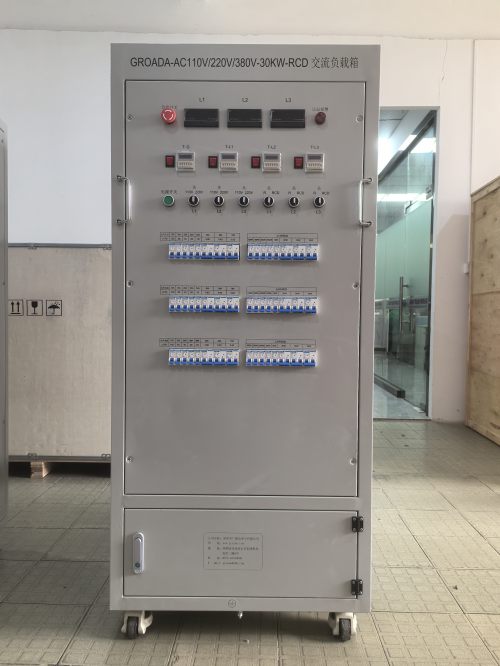
For example, an anonymized case study from a telecom tower site showed that using a three-phase portable load bank (rated at 300 kW, 480 V AC, 320 A per phase) allowed technicians to validate backup generator performance before monsoon season, identifying a faulty AVR unit early—preventing potential service outages. This type of proactive testing not only meets regulatory requirements but also extends equipment lifespan through preventive diagnostics.
When selecting a portable load bank, consider key parameters including cooling method (air vs water), thermal protection thresholds, portability (IP54-rated chassis with lifting eyes), and calibration interval (typically annually). Proper maintenance—including fan replacement every 3–5 years and resistor block inspection—is crucial for consistent results.