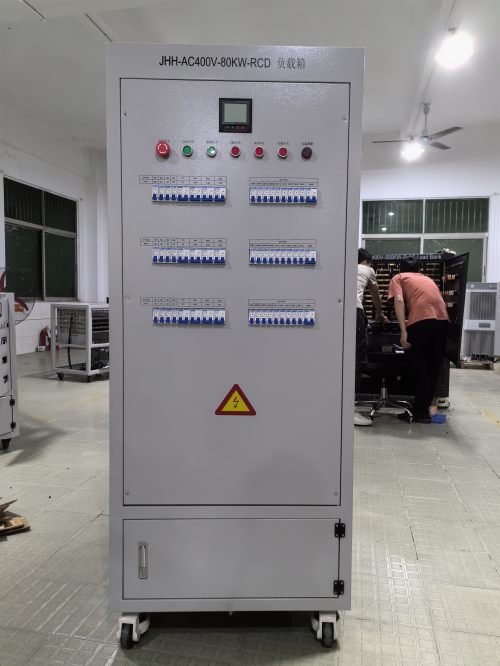
Resistive Load Bank for Generator Testing and Power System Validation
Resistive load banks are essential tools for testing generators, UPS systems, and renewable energy sources like solar and wind farms. These devices simulate real-world electrical loads by converting electrical energy into heat through resistive elements. They are widely used in factory acceptance tests (FAT), commissioning, and preventive maintenance to verify that power generation equipment can handle full or partial loads under controlled conditions. A typical resistive load bank operates at a power factor of 1.0, making it ideal for evaluating mechanical and thermal performance without introducing reactive components. Key parameters include rated power (from 5 kW to 2,000 kW), voltage levels (120V–690V AC), and phase configurations (single-phase or three-phase). Modern units often feature remote monitoring via Modbus, Ethernet, or CAN interfaces, enabling automated load cycling and data logging for compliance with IEC 60034-1 and IEEE 115 standards. Safety features such as overtemperature protection, E-STOP buttons, and CE/UL certification ensure safe operation during extended test durations. Portable models are designed with IP54 enclosures, fork-lift pockets, and lifting eyes for easy transport between sites. Calibration intervals typically range from 12 to 24 months, using NIST-traceable equipment. Maintenance includes replacing resistor blocks every 5–10 years based on usage intensity. Case studies show that regular resistive load testing improves generator reliability by up to 30% and reduces unexpected downtime in critical infrastructure applications.