Understanding Load Bank Testing for Generator and Power System Validation
Load bank testing is a critical procedure used to validate the performance, reliability, and safety of electrical power generation systems such as diesel generators, gas turbines, and renewable energy sources like wind and solar. This method simulates real-world electrical loads to ensure that equipment operates correctly under various conditions before being deployed in actual service.
The introduction of load banks allows engineers and technicians to assess key parameters including voltage stability, frequency regulation, thermal behavior, and power factor control—especially important during factory acceptance tests (FAT), site commissioning, and periodic maintenance checks. For instance, a three-phase resistive load bank can be used to verify generator output capacity up to 100% load, while reactive or capacitive load banks help evaluate system response to varying power factors, which is essential for grid-connected applications.
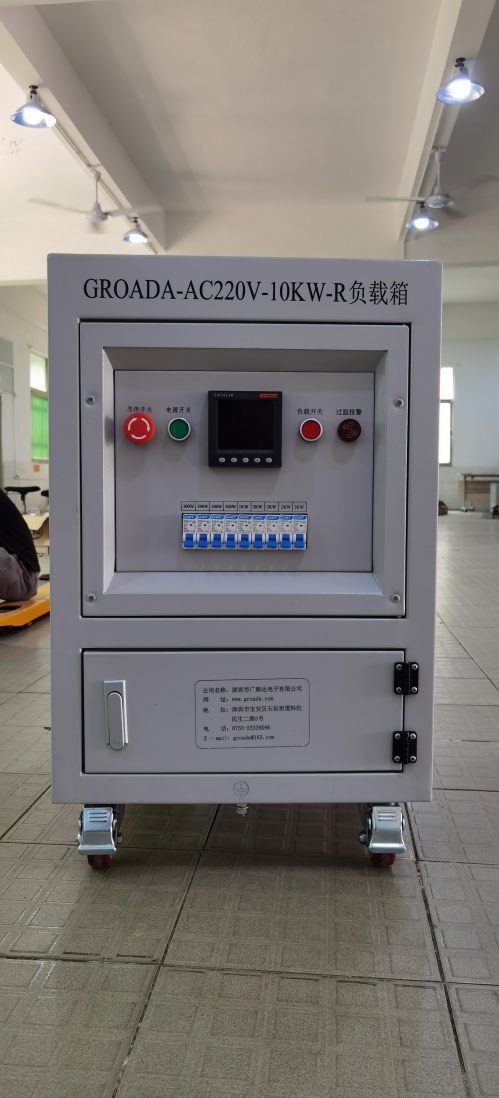
In the main body, modern load banks are categorized by type: resistive (for heating load simulation), reactive (inductive or capacitive for power factor testing), and combination (RLC) models that replicate complex industrial loads. These devices must comply with international standards such as IEC 60034-1 for motor/generator testing and IEEE 1159 for power quality. Electrical specifications typically include rated power from 5 kW to 5000 kVA, phase configurations (single or three-phase), adjustable power factor (0.1–1.0), and accurate measurement capabilities within ±0.5% for active/reactive power. Thermal management through forced air or water cooling ensures safe operation, especially during extended high-load tests. Remote monitoring via Modbus TCP, CAN bus, or Ethernet enables automated control and data logging for compliance reporting.
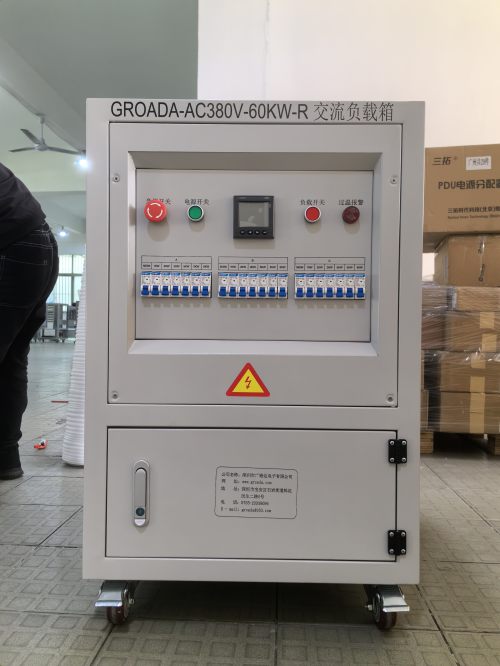
Safety features such as E-STOP, overtemperature protection, and grounding certifications (CE, UL, CCC) are mandatory to prevent hazards during testing. Mechanical design includes robust chassis construction, IP54 rating for dust/water resistance, and transport-ready features like lifting eyes and forklift pockets. Regular calibration (annually) and scheduled replacement of resistor blocks and fans maintain accuracy and longevity.
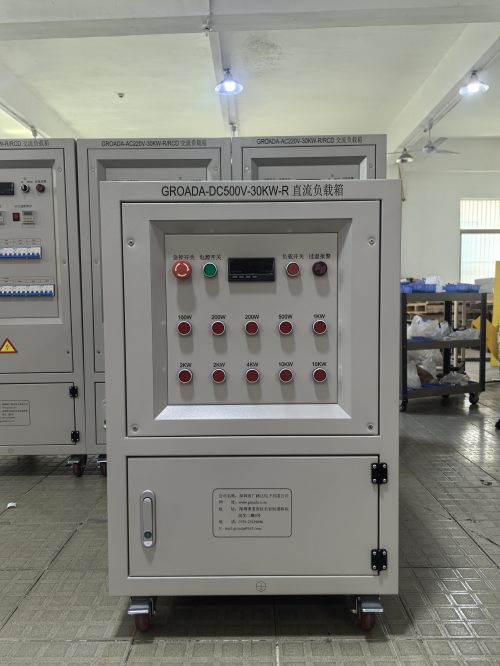
In conclusion, load bank testing remains an indispensable part of power system validation across industries—from data centers and hospitals to oil & gas and microgrid projects. With precise load simulation, comprehensive diagnostics, and adherence to global standards, it ensures operational readiness, minimizes downtime, and enhances long-term asset value.