How to Choose the Right Load Bank for Generator Testing and Power System Validation
When testing generators, uninterruptible power supplies (UPS), or microgrids, selecting the appropriate load bank is critical to ensuring reliability, efficiency, and compliance with international standards. A load bank simulates real-world electrical loads, allowing engineers to validate system performance under controlled conditions before deployment. This process is essential in industries such as data centers, hospitals, manufacturing plants, and renewable energy installations where uninterrupted power is non-negotiable.
The first step in choosing a load bank is understanding the type of load required. Resistive load banks are the most common and simulate purely resistive loads like lighting, heating, and general-purpose equipment. They are ideal for basic generator testing and thermal validation. Reactive load banks, on the other hand, simulate inductive or capacitive loads—common in motors, transformers, and power factor correction systems. These are crucial for evaluating generator voltage regulation and reactive power handling. For comprehensive testing, combined RLC (resistive-inductive-capacitive) load banks provide full-spectrum simulation of complex electrical environments, including harmonic distortion and phase imbalance.
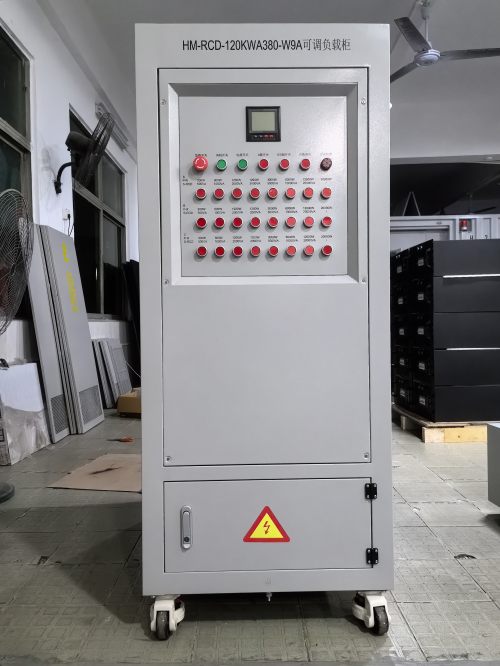
Portability and scalability matter for field applications. Portable load banks designed for mobile testing must meet IP43 or higher protection ratings to withstand outdoor conditions. Weight typically ranges from 50 kg to 1,000 kg depending on power capacity, with integrated lifting points and fork-lift bays enabling safe transport. Equipment should also include safety features such as over-temperature protection, short-circuit protection, and emergency stop (E-STOP) functionality. Certifications like CE, UL, and CCC ensure compliance with regional safety regulations.
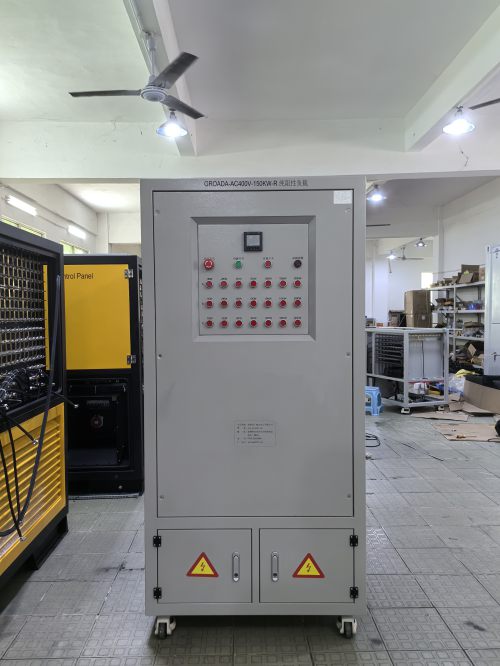
Calibration is another key factor. Load banks should be calibrated annually using traceable standards per IEC 61010-1 and IEEE 1159 guidelines. Components like resistors and fans may require replacement every 3–5 years based on usage intensity. Maintenance logs and spare parts kits—such as fusible links, temperature sensors, and cooling fans—are recommended for long-term operational integrity.
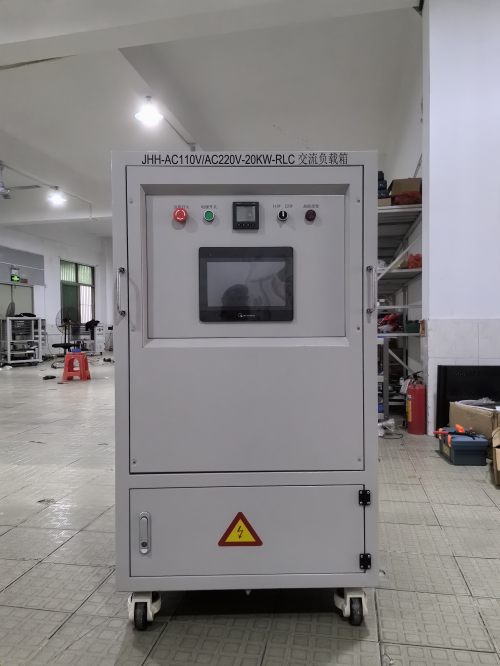
In summary, whether you're conducting factory acceptance tests (FAT), commissioning new infrastructure, or validating backup power systems, selecting the correct load bank ensures both technical accuracy and regulatory compliance. Based on our experience across multiple sectors, combining proper load type selection, robust safety design, and regular calibration leads to significantly improved uptime and reduced risk of unexpected failures during critical operations.