Understanding Load Bank Testing for Generator Performance and Reliability
Load bank testing is a critical process used to evaluate the performance, stability, and reliability of electrical power sources such as generators, UPS systems, and renewable energy inverters. By simulating real-world electrical loads, load banks allow engineers and operators to verify that equipment can handle expected operating conditions before deployment or during routine maintenance. This ensures system readiness, prevents unexpected failures, and enhances long-term operational safety.
There are several types of load banks, each suited for different applications. Resistive load banks are the most common, offering pure resistance to simulate real-world power consumption like lighting, heating, or industrial motors. They are ideal for generator acceptance testing and basic performance validation. Reactive load banks introduce inductive or capacitive reactance to mimic the behavior of motors, transformers, and other reactive components in an electrical system—critical for testing voltage regulation and excitation control in alternators. Combination (RLC) load banks integrate both resistive and reactive elements, providing comprehensive testing capability across multiple load profiles.
For portable or mobile applications, modern load banks often feature rugged enclosures with IP54 or higher ratings, ensuring protection against dust and water ingress. Units may include built-in cooling fans, temperature sensors, and automatic shut-off mechanisms for safe operation under varying environmental conditions. Safety features such as ground fault protection, overcurrent tripping, and emergency stop buttons are standard, especially when working with high-power systems rated above 100 kW.
Industry standards such as IEC 60034-1 (rotating machines) and IEEE 1159 (power quality) guide proper load bank usage, emphasizing consistent test procedures and safety protocols. For example, factory acceptance tests (FAT) for generators typically require load banks to apply 50%, 75%, and 100% of rated capacity for at least 30 minutes per step to validate thermal and mechanical stability. In one anonymized case study, a 500 kVA diesel generator failed initial commissioning due to poor fuel injection timing—detected only after full-load testing using a three-phase resistive load bank.
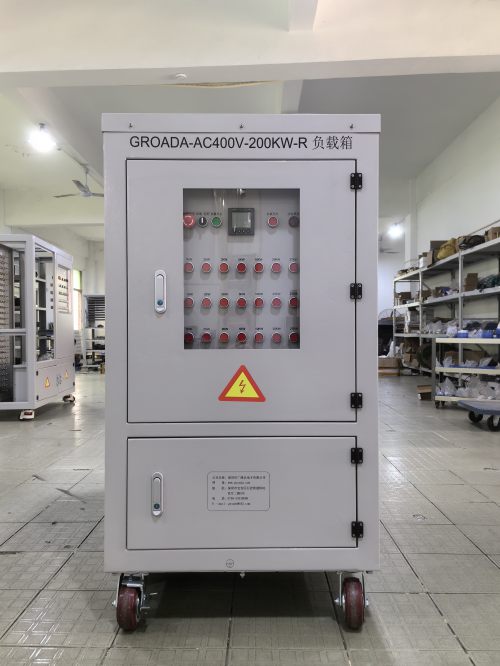
Calibration of load banks must be performed annually or after major repairs, using certified reference instruments such as precision digital multimeters and calibrated shunts. Key consumables like resistor blocks and fan assemblies should be inspected quarterly, with replacement recommended every 2–3 years depending on usage intensity. A recommended spare parts list includes thermal fuses, contactors, and temperature probes to minimize downtime during field service.
Proper load bank selection and regular testing not only meet compliance requirements but also improve asset life, reduce emissions from inefficient running, and increase confidence in backup power systems for hospitals, data centers, and remote industrial sites.