Understanding the Role of Load Banks in Generator Testing and Power System Validation
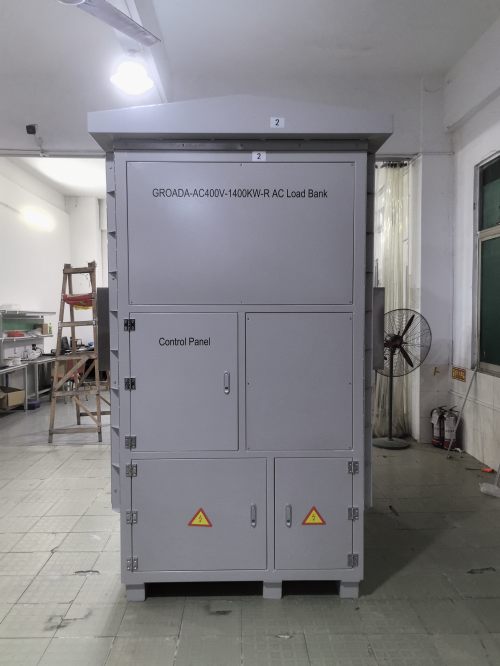
Load banks are essential tools used across industries to simulate real-world electrical loads on generators, UPS systems, and other power sources. Unlike standard utility loads that vary unpredictably, load banks provide a controlled, measurable, and repeatable way to test system performance under stress conditions. Whether for factory acceptance testing (FAT), commissioning new installations, or routine maintenance, load banks help ensure reliability, safety, and compliance with international standards such as IEC 60034-1 and IEEE 1547.
There are three main types: resistive, reactive, and combination (RLC) load banks. Resistive load banks convert electrical energy into heat using precision resistor blocks—ideal for testing generator output capacity and engine cooling systems. Reactive load banks introduce inductive or capacitive elements to mimic the behavior of motors, transformers, and industrial equipment, allowing assessment of power factor correction and voltage regulation. RLC load banks combine both functions, offering comprehensive load simulation for complex power systems like microgrids or renewable energy installations.
Modern load banks often feature active electronic control systems, remote monitoring capabilities, and built-in diagnostics. Safety is paramount—CE/UL/CCC-certified units include short-circuit protection, overtemperature sensors, emergency stop features, and grounding integrity checks. Portable models are designed for field use with IP54-rated enclosures, lifting eyes, and forklift pockets, making them suitable for mobile testing teams.
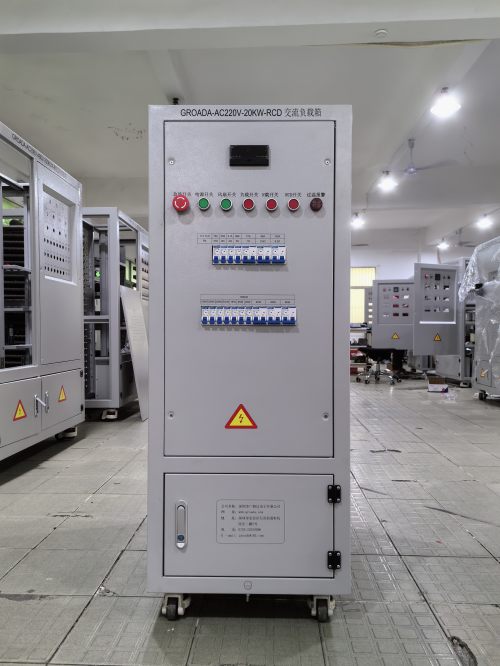
Regular calibration every 12 months ensures accuracy, while fan assemblies and resistor blocks typically require replacement after 5–7 years depending on usage intensity. A well-maintained load bank not only extends the life of the generator but also prevents unexpected failures during critical operations. In an anonymized case study from a wind farm in Northern Europe, a 500 kW resistive load bank was used to validate grid synchronization before full-scale commissioning—revealing a 3% voltage sag issue that was corrected prior to connection, avoiding costly downtime.
For engineers, project managers, and facility operators, understanding how to select and operate the right type of load bank is crucial for maintaining uptime, optimizing efficiency, and meeting regulatory requirements in today’s demanding power environments.