Diesel Generator Load Banks Testing and Applications
Diesel generator load banks are essential tools for verifying the performance, reliability, and safety of diesel generators under real-world operating conditions. These devices simulate electrical loads to test generator output capacity, fuel efficiency, voltage regulation, and cooling system effectiveness—critical for both routine maintenance and pre-installation verification.
A load bank functions by converting the generator’s mechanical energy into heat through resistive, reactive, or combination (RLC) circuits. Resistive load banks, the most common type, use high-power resistor elements to absorb active power (watts), making them ideal for testing engine performance, alternator output, and thermal management. Reactive load banks, on the other hand, simulate inductive or capacitive loads (like motors or transformers) to evaluate reactive power handling and excitation system stability. Combination load banks offer a full spectrum of testing capabilities by integrating both resistive and reactive components in one unit.
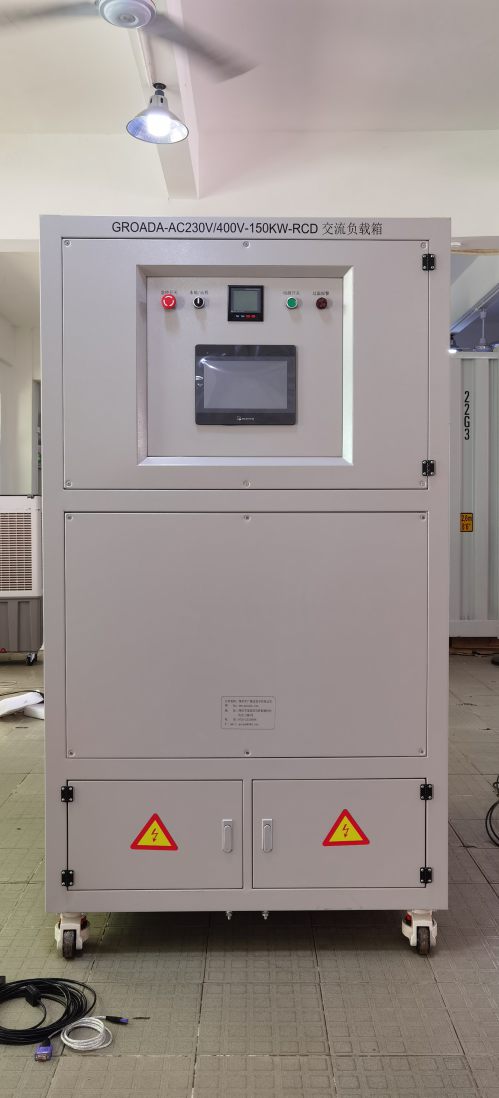
For portable applications—such as temporary power during construction or disaster recovery—portable load banks provide flexibility with wheeled chassis, integrated cooling systems, and remote monitoring options. These units often comply with IEC 60034-1 and IEEE 115 standards, which define motor and generator testing procedures including temperature rise limits, insulation resistance, and load cycling protocols.
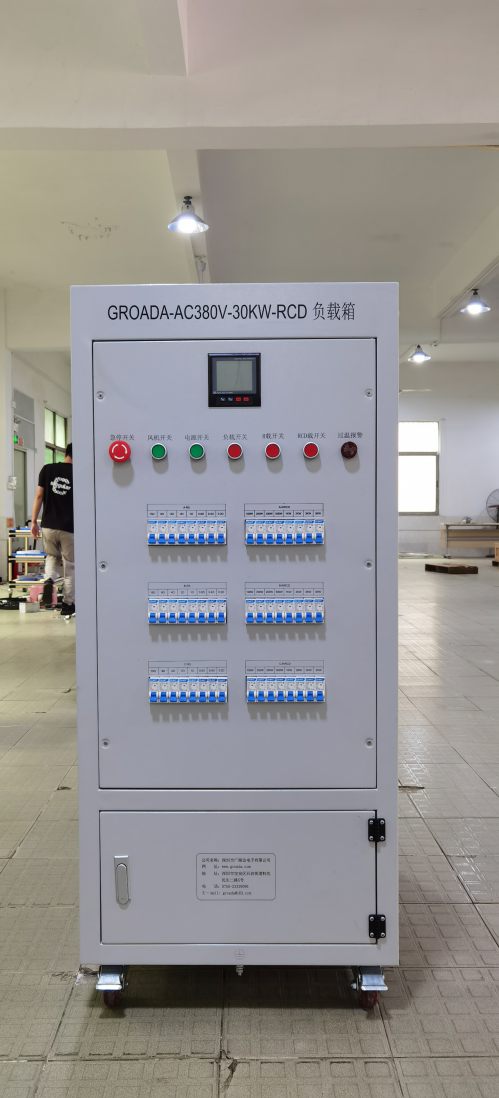
Safety features such as overtemperature protection, emergency stop (E-STOP) buttons, short-circuit protection, and grounding compliance ensure safe operation. Certifications like CE, UL, and CCC confirm adherence to regional electrical safety regulations. Maintenance includes periodic calibration every 12 months using certified equipment and replacement of resistor blocks and fans based on usage intensity.
Real-world applications include factory acceptance testing (FAT) of new generators, UPS load testing in data centers, and microgrid integration validation for renewable energy projects. In one anonymized case study, a 500 kW diesel generator was tested using a three-phase resistive load bank at 80% load for 4 hours, revealing an unexpected voltage drop that led to a rectification of the AVR (Automatic Voltage Regulator) settings before commissioning.
Modern load banks support digital control via PLCs and SCADA interfaces, enabling automated load ramping, logging, and remote diagnostics. Whether used in oil & gas, mining, healthcare, or telecom sectors, load bank testing ensures generators deliver consistent, reliable power when it matters most.
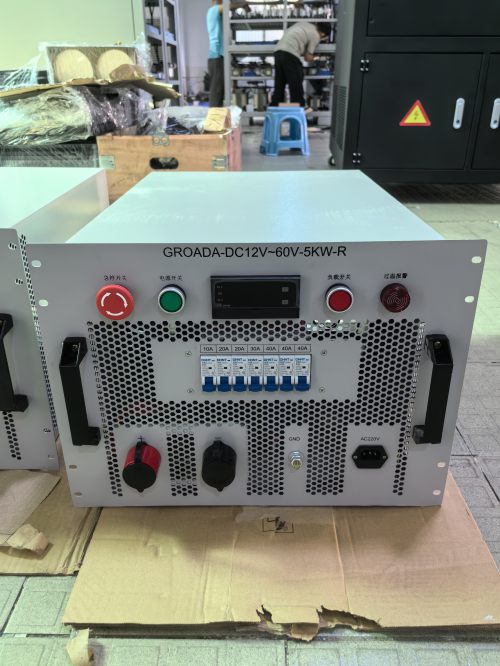
Diesel generator load banks test performance, reliability, and safety under simulated loads. Used in FAT, UPS, and renewable integration, they ensure stable power delivery with features like E-STOP, CE/UL certification, and RLC circuit support.