How to Choose the Right Load Bank for Generator Testing and Power System Validation
Selecting the appropriate load bank is critical for ensuring the reliability, safety, and performance of power generation systems such as diesel generators, gas turbines, and renewable energy sources like wind and solar. A properly sized and configured load bank allows engineers to simulate real-world electrical loads during testing, verifying that equipment can handle peak demand, maintain voltage stability, and operate efficiently under varying conditions. This process is essential in factory acceptance tests (FAT), commissioning, preventive maintenance, and emergency preparedness programs.
Resistive load banks are the most common type, using precision resistor blocks to convert electrical energy into heat, simulating purely resistive loads like lighting or heating systems. These are ideal for checking generator output capacity, cooling system effectiveness, and fuel consumption. Reactive load banks, on the other hand, introduce inductive or capacitive reactance to mimic motors, transformers, or power factor correction devices—critical for evaluating generator excitation systems and harmonic distortion. Combination (RLC) load banks offer both resistive and reactive capabilities in one unit, providing comprehensive testing for three-phase systems with balanced or unbalanced loads.
Key considerations when choosing a load bank include: maximum power rating (in kW or kVA), phase configuration (single or three-phase), portability needs (weight, wheels, lifting points), environmental protection (IP43 or higher), and compliance with international standards such as IEC 60034-1 for motor/generator testing or IEEE 1547 for grid interconnection. Safety features like overtemperature shutdown, short-circuit protection, and emergency stop buttons must be included. Calibration every 12 months ensures accuracy, while fan replacement cycles (typically 2–3 years) and spare resistor block kits should be part of the maintenance plan.
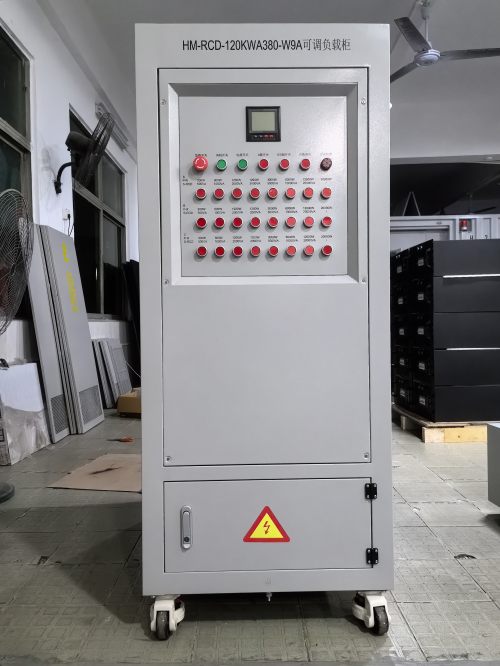
In a simulated example from an industrial site, a 500 kW diesel generator was tested using a portable resistive load bank over a 4-hour duration at full load. The test confirmed stable voltage regulation within ±2%, verified proper engine cooling, and identified a minor fuel delivery issue that was corrected before full deployment. Such validation prevents unexpected failures during critical operations.
By understanding the specific application—whether it’s for backup power systems, microgrids, or utility-scale projects—engineers can select a load bank that delivers precise, repeatable, and safe test results aligned with industry best practices and regulatory requirements.