Electrical Load Bank Design for Reliable Power System Testing
An electrical load bank is a critical tool in the testing and validation of power generation systems, including generators, UPS units, and renewable energy inverters. Proper load bank design ensures that equipment operates safely under real-world conditions before being deployed in the field. The design process involves selecting the right type—resistive, reactive, or combination (RLC)—based on the application. Resistive load banks convert electrical energy into heat using precision resistor blocks and are ideal for testing diesel or natural gas generators, especially for verifying full-load performance and cooling system effectiveness. Reactive load banks simulate inductive or capacitive loads, essential for evaluating voltage regulation and excitation control in alternators, particularly during grid integration tests. A modern combination load bank provides both resistive and reactive components, allowing comprehensive testing of three-phase systems with adjustable power factor control, making it suitable for factory acceptance testing (FAT) of large-scale power plants.
Key design considerations include thermal management—high-density resistor elements must be cooled efficiently through forced air or liquid cooling to avoid overheating and ensure long-term reliability. Mechanical durability is equally important; load banks must be housed in robust enclosures rated at least IP54 for protection against dust and splashing water, especially in outdoor or industrial environments. Safety features such as overtemperature protection, short-circuit detection, emergency stop buttons, and grounding compliance with IEC 60364 standards are mandatory. For portable applications, load banks should feature lifting eyes, fork-lift pockets, and modular designs to simplify transport and installation.
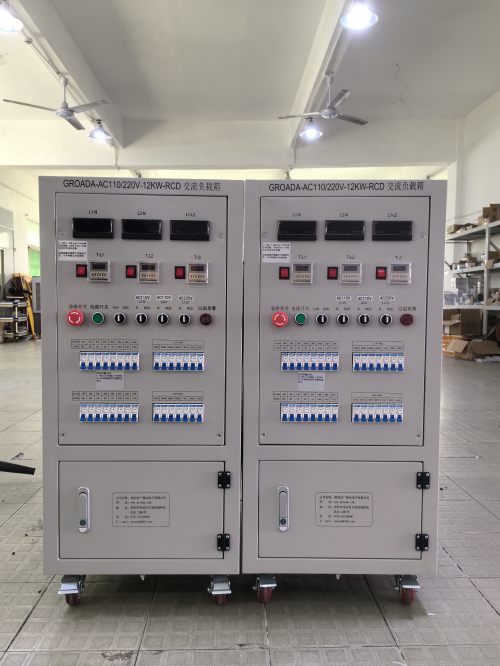
Calibration is another crucial element. Certified calibration every 12 months using traceable standards ensures measurement accuracy within ±1% of full scale. Consumable parts like fan assemblies and resistor blocks typically require replacement after 5–8 years of continuous use depending on operating conditions. Engineers must also account for harmonic distortion when designing load banks for modern inverters, ensuring compatibility with IEEE 519 standards for power quality. In an anonymized case study from a wind farm project, a 1 MW RLC load bank was used to test inverter behavior during grid synchronization. Results showed improved dynamic response by 15% after adjusting reactive compensation settings—a clear demonstration of how proper load bank design directly enhances system resilience and compliance.