mosebach load bank price
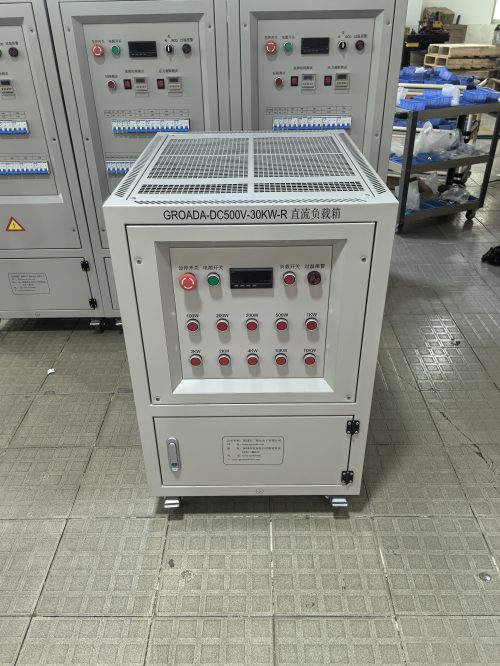
When evaluating the cost of a Mosebach load bank, it's essential to understand that pricing is influenced by several technical and application-specific factors—not just the brand. Mosebach, a well-established manufacturer in industrial testing equipment, offers a range of load banks designed for generator testing, power system validation, and energy storage verification. Their products span resistive, reactive, and combination (RLC) models, with options for single-phase or three-phase configurations, making them suitable for both portable and fixed installations.
The base price of a Mosebach load bank typically ranges from $5,000 to $50,000 USD depending on capacity (e.g., 10 kW up to 1,500 kVA), cooling method (air-cooled vs. water-cooled), and control features like remote monitoring via Modbus or Ethernet. For instance, a 300 kW air-cooled resistive load bank may start at around $12,000, while a 500 kVA water-cooled RLC model with advanced digital controls could exceed $35,000. These figures reflect standard configurations but do not include customization, shipping, or installation services.
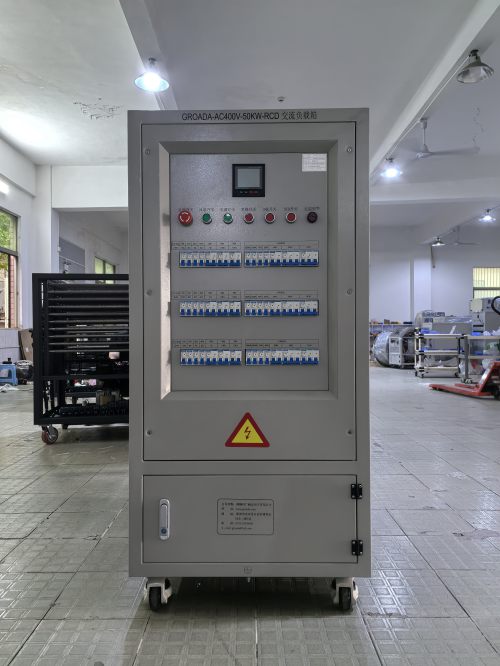
Importantly, Mosebach load banks comply with international standards such as IEC 60034-1 for motor testing and IEEE 1159 for power quality assessments—features that enhance reliability and reduce long-term operational risks. The company also provides calibration certificates and on-site commissioning support, which adds value beyond the initial purchase. In terms of total cost of ownership, maintenance intervals (typically every 12 months), fan replacement cycles (every 3–5 years), and thermal protection systems contribute to durability and safety, often reducing downtime-related losses.
For procurement teams or engineers seeking competitive yet reliable solutions, Mosebach’s transparent pricing structure—available through authorized distributors or direct quotes—ensures flexibility across projects like diesel generator factory acceptance tests, renewable energy grid integration, or data center UPS validation. Always request detailed specifications, including voltage range, power factor adjustment (typically 0.1–1.0), and IP ratings (often IP54 for outdoor use), to ensure alignment with project needs.