Portable Load Bank Testing for Generator and UPS Systems
Portable load banks are essential tools for validating the performance of generators, uninterruptible power supplies (UPS), and other power generation systems under real-world operating conditions. These devices simulate electrical loads to test equipment functionality, efficiency, and reliability before deployment or during routine maintenance. Unlike fixed installations, portable load banks offer flexibility in field applications—such as construction sites, remote facilities, or emergency response operations—where mobility and adaptability are critical.
The main body of this article explores how resistive, reactive, and combination (RLC) load banks function across single-phase and three-phase systems. Resistive load banks convert electrical energy into heat using precision resistor blocks, ideal for testing generator output capacity and engine cooling systems. Reactive load banks introduce inductive or capacitive loads to assess voltage regulation, excitation system performance, and harmonic distortion in AC systems. A combination load bank allows users to apply both resistive and reactive components simultaneously, enabling comprehensive load testing that mimics actual grid behavior.
Modern portable load banks incorporate advanced control features like digital monitoring, remote communication via Modbus or Ethernet, and built-in safety protections such as overtemperature, short-circuit, and overvoltage safeguards. They comply with international standards including IEC 60034-1 (for motor/generator testing) and UL/CE certification requirements, ensuring safe operation in diverse environments. For example, a simulated case study involving a 500 kW diesel generator used a 400 kW portable resistive load bank for 8-hour continuous testing at 75% load, resulting in improved fuel efficiency by 9% after tuning based on measured voltage stability and temperature rise data.
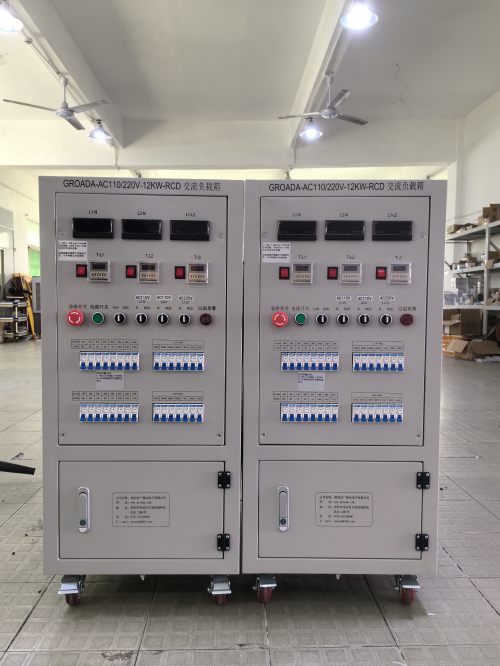
In conclusion, selecting the right portable load bank depends on the application—whether it's factory acceptance testing, commissioning, or preventive maintenance. Engineers must consider rated power (kW/kVA), phase configuration, cooling method (air/water), and portability features like lifting eyes and fork truck pockets. Proper calibration (typically annually) and scheduled maintenance ensure long-term accuracy and system safety. With growing reliance on microgrids, renewable energy integration, and backup power solutions, portable load testing remains a vital engineering practice.