Testing and Sizing a Load Bank for a 500HP Motor System
When commissioning or maintaining a 500 horsepower (HP) motor system—commonly found in industrial pumps, compressors, and large HVAC units—it's critical to verify performance under real-world load conditions. A properly sized load bank ensures the motor, its control system, and associated power sources (like generators or UPS systems) can handle full operational demands without failure.
For a 500HP motor, the required electrical load is approximately 373 kW (since 1 HP ≈ 0.746 kW). This means the load bank must be capable of delivering at least that much resistive power continuously. However, modern motor testing often requires more than just resistive loading. Reactive load banks are used to simulate inductive loads (like transformers or motors), while capacitive or combination (RLC) load banks help test power factor correction and harmonic response in three-phase systems.
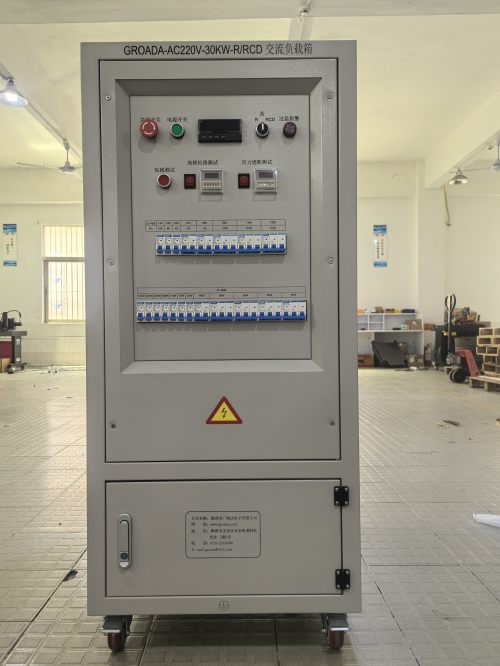
In practice, a 500HP motor load test typically involves:
- Factory acceptance testing (FAT): Validating motor and drive performance before installation.
- Site verification: Ensuring the motor operates correctly with the existing power infrastructure.
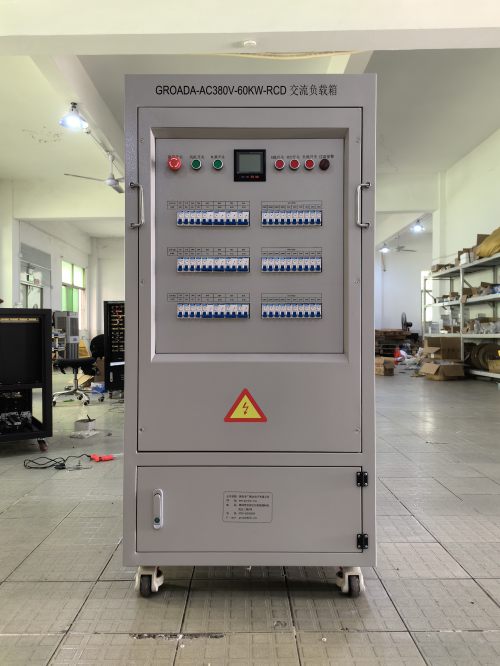
- Generator compatibility testing: Confirming backup generators can sustain the motor’s starting surge (often 6–8x rated current) and steady-state load.
Load banks used for 500HP applications are typically portable, three-phase, and rated between 400–500 kW with adjustable power factor (PF) from 0.1 to 1.0. They often feature remote monitoring via Modbus or Ethernet, thermal protection (e.g., automatic shutdown above 120°C), and rugged IP54-rated enclosures for factory or field use.
A simulated example from an oil & gas facility showed that using a 450 kW resistive load bank with variable PF adjustment allowed engineers to identify a generator’s poor voltage regulation during motor start-up—a problem corrected by upgrading the AVR (Automatic Voltage Regulator). This highlights how precise load testing prevents costly downtime.
By choosing the right load bank—whether resistive, reactive, or RLC—you ensure reliability, efficiency, and compliance with IEC 60034-1 standards for motor testing. For 500HP systems, this step is not optional—it’s essential for long-term operational safety.