Resistive Load Bank Testing for Generator and UPS Systems
Load bank testing is a critical procedure in the validation and maintenance of power generation systems, including diesel generators, gas turbines, and uninterruptible power supplies (UPS). A resistive load bank simulates real-world electrical loads by converting electrical energy into heat through high-power resistors, allowing engineers to verify system performance under controlled conditions. This method is particularly effective for evaluating generator output capacity, voltage regulation, fuel efficiency, and cooling system effectiveness—key parameters that ensure reliability during actual operation.
According to IEC 60034-1, which governs the performance requirements of rotating electrical machines, load testing must be performed at various power levels (from 25% to 100%) to confirm stable operation across the entire load range. Resistive load banks are widely used because they mimic pure resistive loads such as lighting, heating, and industrial motors, enabling accurate assessment of active power delivery without reactive components.
For example, during factory acceptance testing (FAT) of a 500 kVA three-phase generator, a resistive load bank can apply a stepwise increasing load from 0 to 100% over several hours while measuring voltage stability, frequency deviation, and temperature rise. In one anonymized case study, this process revealed an unexpected voltage drop at 80% load due to inadequate AVR (Automatic Voltage Regulator) tuning—prompting immediate correction before site installation.
Modern resistive load banks feature robust design with air or water cooling, IP54 enclosures for dust and splash protection, and digital control interfaces like Modbus RTU or Ethernet for remote monitoring. They also include safety features such as thermal cutoffs, short-circuit protection, and E-stop functions compliant with UL/CE standards. Calibration should be performed annually using traceable instruments, and resistor blocks typically require inspection every 500 operating hours.
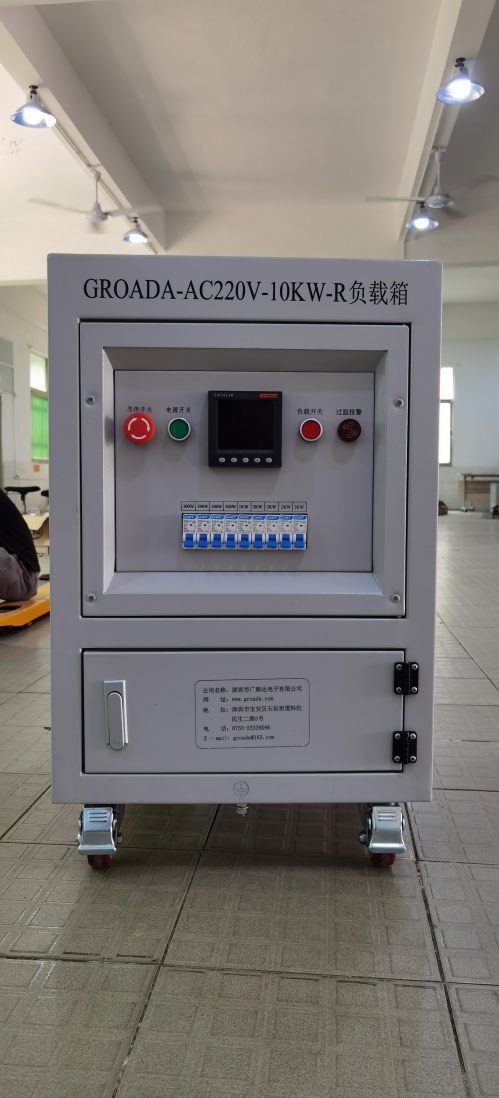
These systems are essential not only for new installations but also for periodic maintenance, especially in data centers, hospitals, and offshore platforms where power continuity is mission-critical. By ensuring consistent performance under simulated full-load conditions, resistive load banks help prevent unexpected failures, reduce downtime, and extend equipment lifespan.