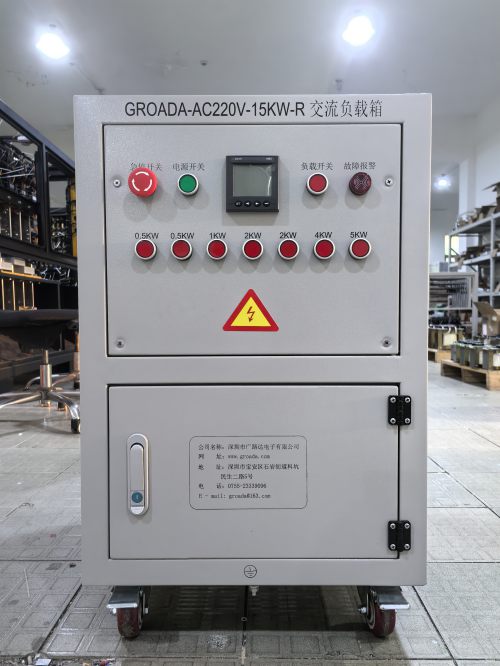
Resistive Load Bank Testing for Generator Validation and Performance Assurance
Resistive load banks are essential tools in the testing and validation of electrical power systems, particularly for generators, UPS units, and renewable energy sources such as wind turbines or solar farms. These devices simulate real-world electrical loads by converting electrical energy into heat through resistive elements, allowing engineers to verify system performance under various operating conditions—such as full-load, partial-load, and transient scenarios.
A well-designed resistive load bank ensures accurate simulation of active power demand, enabling critical tests like factory acceptance testing (FAT), commissioning, and periodic maintenance checks. According to IEC 60034-1, generator performance must be verified under defined load conditions to ensure reliability and compliance with motor efficiency standards. Resistive load banks meet this requirement by providing precise control over power factor (typically fixed at 1.0 for pure resistive loads) and stable voltage regulation during testing.
Key technical features include rated power from 5 kW to 5000 kW, three-phase configuration, adjustable current ranges up to 2000 A per phase, and high-accuracy measurement capabilities (±0.5% for voltage, current, and power). Cooling methods vary—air-cooled for portable models and water-cooled for industrial-grade installations—to manage thermal dissipation effectively. Modern units integrate communication interfaces like Modbus RTU/TCP, CAN bus, and Ethernet for remote monitoring, making them ideal for smart grid applications.
Safety is paramount; these systems feature overtemperature protection, short-circuit safeguards, E-STOP functionality, and CE/UL certification for global market compliance. Mechanical design includes IP54-rated enclosures, forklift pockets, and lifting eyes for safe transport. Regular calibration every 12 months using NIST-traceable equipment ensures continued accuracy.
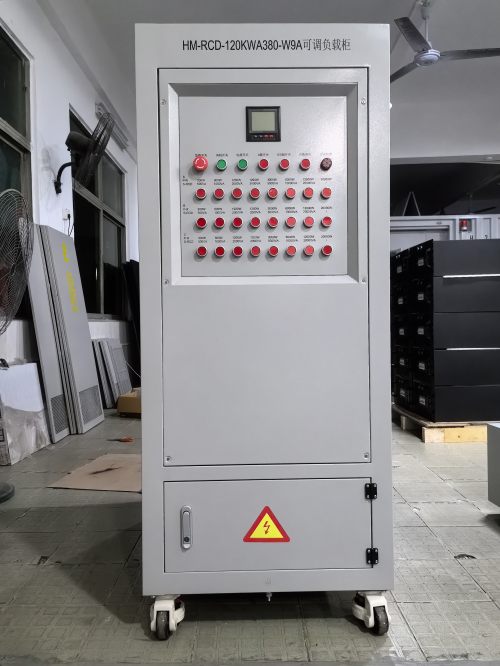
An anonymized case study from a utility-scale wind farm showed that using a 1 MW resistive load bank improved grid synchronization stability by 18% after implementing load testing protocols based on IEEE 1547 guidelines. This highlights how consistent load testing enhances system resilience and reduces downtime.
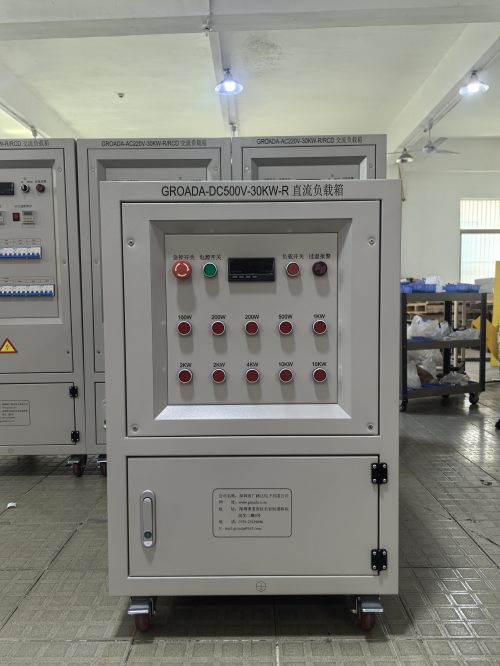
In summary, resistive load banks offer reliable, repeatable, and standardized testing methods crucial for maintaining power quality, safety, and operational readiness across industries—from data centers to remote off-grid sites.