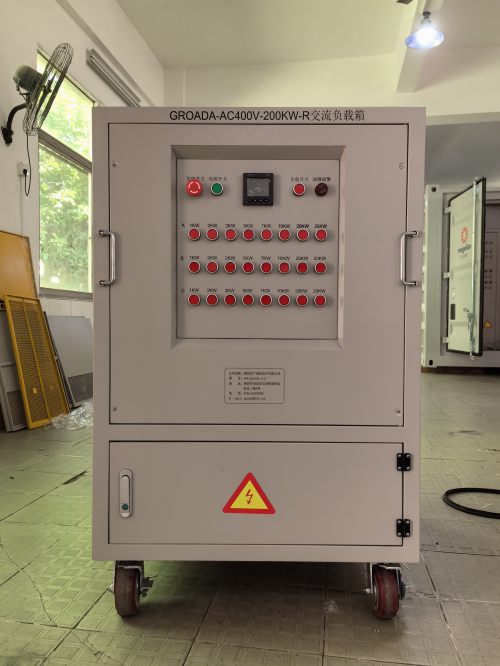
Portable Load Bank Testing Solutions for Generator and Power System Validation
Portable load banks are essential tools for validating the performance, reliability, and safety of generators, UPS systems, and renewable energy installations such as wind farms and microgrids. These devices simulate real-world electrical loads to test how power sources behave under various operating conditions—from no-load to full capacity—ensuring they meet technical specifications before commissioning or during routine maintenance.
A well-designed portable load bank typically includes resistive, reactive, or combination (RLC) configurations. Resistive load banks convert electrical energy into heat using precision resistor blocks, making them ideal for testing engine cooling, fuel consumption, and voltage regulation. Reactive load banks, which incorporate inductors or capacitors, allow for controlled power factor adjustment—critical for evaluating generator excitation systems and harmonic distortion. Combined RLC load banks offer comprehensive testing capabilities by simultaneously applying resistive and reactive loads, enabling full-load simulation across multiple phases.
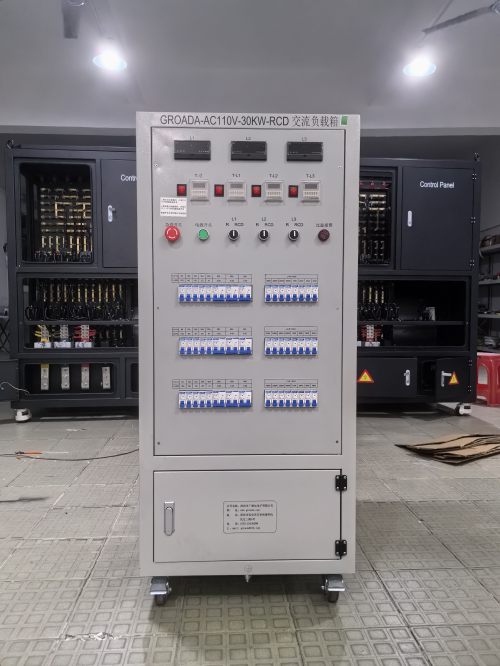
Modern portable units feature advanced controls with Modbus, CAN, Ethernet, or RS-485 communication protocols for remote monitoring and automated test sequencing. They also integrate thermal protection, overvoltage/undervoltage safeguards, and emergency stop functions that comply with IEC 60034-1 and IEEE 115 standards for motor and generator testing. Safety certifications such as CE, UL, and CCC ensure compliance with regional regulatory requirements.
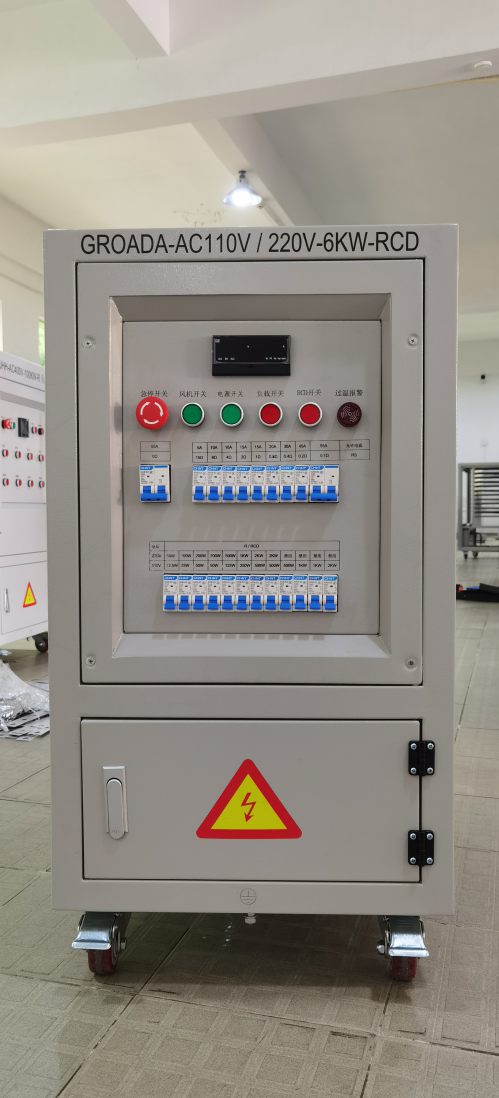
Case studies show their effectiveness: In an anonymized example from a diesel generator factory acceptance test, a 500 kW three-phase resistive load bank was used to validate output stability at 100% load for 2 hours. The generator maintained voltage within ±2% and frequency within ±0.5 Hz, confirming readiness for deployment. Similarly, a simulated test on a solar hybrid system utilized a 200 kVA reactive load bank to verify inverter response to varying power factors—a key step in grid integration planning.
Portability is achieved through robust chassis designs with IP54 rating, lifting eyes, and forklift pockets, allowing easy transport between sites. Cooling methods range from air-cooled fans to water-cooled systems for high-power applications (>500 kW). Maintenance intervals include annual calibration using NIST-traceable equipment and replacement of resistor blocks every 5–7 years depending on usage intensity.
For engineers, project managers, and facility operators, portable load banks provide measurable confidence in system performance, reduce downtime risks, and support compliance with international standards like IEC 61439 and IEEE 1547 for power quality and interconnection.