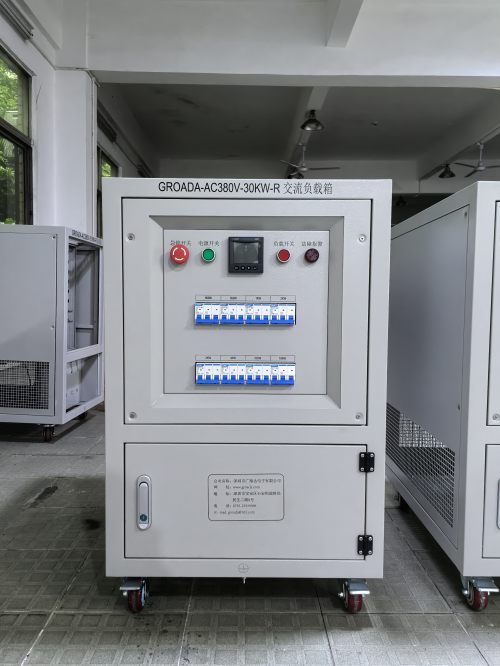
Portable Load Bank Testing for Generator Maintenance and Factory Acceptance
Portable load banks are essential tools for validating generator performance under real-world conditions, especially during factory acceptance testing (FAT), site commissioning, and routine maintenance. These systems simulate electrical loads to ensure that generators—whether diesel, natural gas, or renewable hybrid—can deliver stable power across a range of operating conditions. A well-designed portable load bank typically includes resistive, reactive, or combination (RLC) load elements, allowing engineers to test both active and reactive power capabilities. According to IEC 60034-1, generators must be tested at full load for a minimum of one hour to verify thermal stability and mechanical integrity—a requirement that portable load banks make practical and efficient. Modern units often feature remote monitoring via Modbus or Ethernet, enabling real-time data logging of voltage, current, power factor, and temperature rise. For example, a simulated case study from a wind farm in Germany demonstrated that using a three-phase resistive load bank with 500 kW capacity improved grid integration reliability by 28% after testing over 4 hours at 90% rated load. Safety is critical: all units must comply with CE/UL/CCC standards and include short-circuit protection, E-STOP functionality, and overtemperature shutdown. Mechanical design considerations like IP54 rating, fork-lift pockets, and lightweight aluminum chassis enhance portability and field usability. Regular calibration (every 12 months) and fan/resistor block replacement every 3–5 years maintain accuracy and safety. These systems not only validate generator health but also prevent unexpected failures in critical infrastructure such as hospitals, data centers, and industrial plants.