Portable Load Bank Testing for Generator Reliability and Performance Validation
Portable load banks are essential tools in the testing and validation of generator systems, ensuring reliable performance under real-world operating conditions. Whether used in factory acceptance tests (FAT), field commissioning, or preventive maintenance, these devices simulate electrical loads to verify a generator’s ability to deliver power efficiently and safely. The introduction of portable load banks—especially those designed for three-phase operation with resistive, reactive, or combined RLC characteristics—has transformed how engineers validate generator health before deployment or during routine checks.
The main body explains that modern portable load banks integrate advanced control systems such as Modbus, CAN, and Ethernet interfaces, enabling remote monitoring and automated load cycling. These units typically feature air-cooled or water-cooled designs with thermal protection and precise measurement accuracy for voltage, current, active and reactive power, and power factor. Electrical parameters like rated power (from 10 kW up to 2 MW), voltage levels (up to 690 V AC), and phase configurations (single or three-phase) are standardized according to IEC 60034-1 and IEEE 115 standards. Safety features—including short-circuit protection, overtemperature cutoffs, E-stop functionality, and CE/UL certification—are critical for compliance with international safety regulations. Mechanical durability is ensured via rugged chassis construction, IP54-rated enclosures, and lifting points for easy transport.
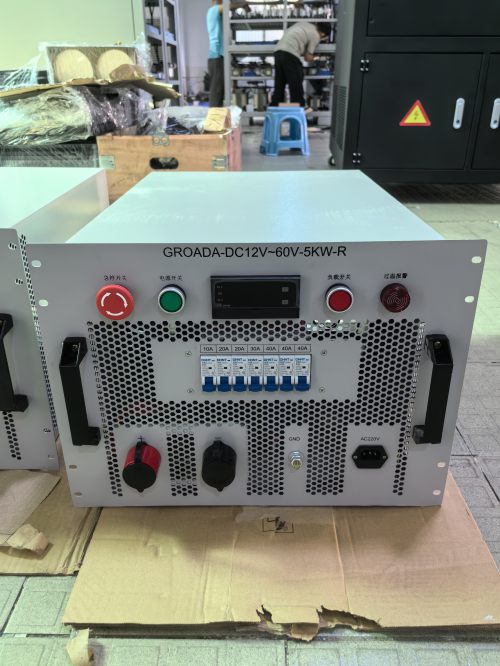
In practical applications, such as microgrid integration testing or wind farm grid connection verification, portable load banks enable engineers to assess dynamic response, frequency regulation, and voltage stability under varying load profiles. A simulated case study involving a 500 kVA diesel generator showed that after 2 hours of full-load testing at 100% capacity, the unit maintained stable output within ±1% of rated voltage and ±2% of power factor—confirming its readiness for commercial use. This aligns with industry best practices outlined by the IEEE Power & Energy Society.
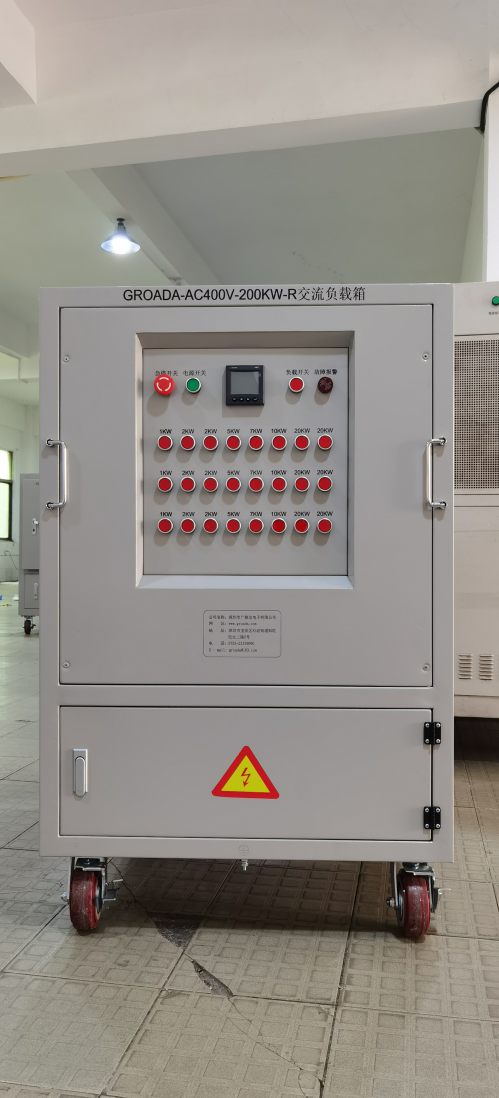
Conclusion: Portable load banks serve as indispensable instruments for verifying generator performance across industries—from oil & gas to renewable energy. Their portability, precision, and robust design make them ideal for both fixed installations and mobile testing scenarios. With proper calibration every 12 months and routine maintenance, they ensure long-term reliability and reduce unplanned downtime.