Load Bank Manual Model K575A D28760-2 1000 kW
The Load Bank Manual Model K575A D28760-2 1000 kW is a high-capacity, three-phase resistive load bank designed for rigorous testing of power generation systems, including diesel and gas generators, UPS units, and renewable energy inverters. Engineered to meet IEC 60034-1 standards for motor and generator performance evaluation, this unit delivers reliable, controlled electrical loads up to 1000 kW at rated voltages ranging from 208 V to 600 V AC. It supports both single-phase and three-phase operation, making it ideal for factory acceptance tests (FAT), commissioning, and preventive maintenance in industrial and utility-scale applications.
This manual provides detailed instructions for safe setup, calibration, and operation. The K575A features active cooling via forced air convection using redundant fan modules—each rated at 300 W—to maintain internal temperatures below 85°C under continuous full-load conditions. Thermal protection circuits automatically reduce load or shut down if critical thresholds are exceeded. Its rugged steel chassis with IP54 rating ensures durability in harsh environments such as construction sites, shipyards, or remote substations.
Electrical parameters include ±0.5% accuracy in voltage, current, and power measurements across all phases. Power factor can be adjusted from 0.8 lagging to 1.0 (resistive) using built-in switchable resistor banks. Communication interfaces include Modbus RTU over RS-485 and Ethernet TCP/IP for remote monitoring and integration into SCADA systems. A user-friendly LCD panel allows local control, while optional wireless data logging enables real-time diagnostics via cloud platforms.
Safety compliance includes CE, UL, and CCC certifications. Emergency stop functionality, short-circuit protection, and overvoltage/undervoltage detection ensure operator safety during extended testing cycles. Maintenance intervals recommend annual calibration using NIST-traceable equipment and replacement of resistor blocks every 5 years based on field usage patterns.
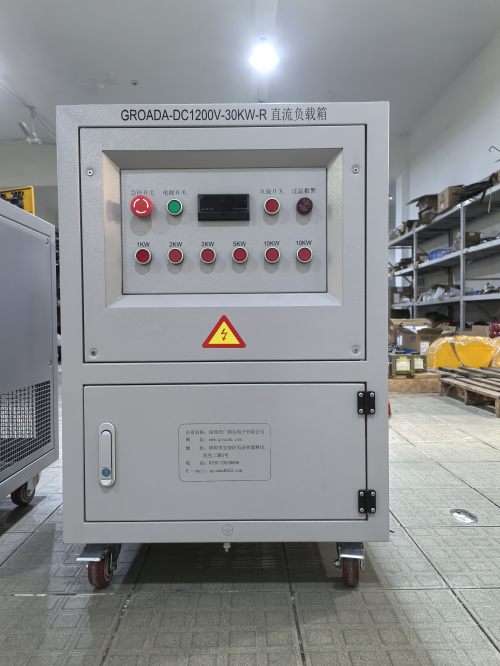
An anonymized case study from a wind farm grid connection project in Northern Europe demonstrated the K575A’s effectiveness: during 48-hour load testing at 950 kW, the system maintained<1% variation in output voltage and confirmed generator stability before grid synchronization. This validated its use in microgrid integration and hybrid energy system validation.