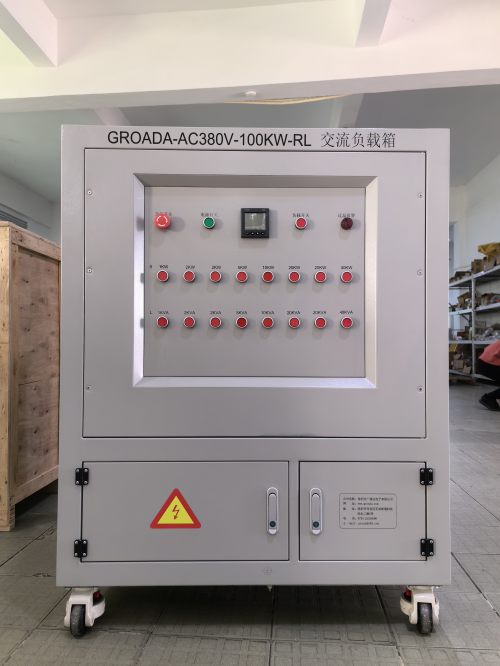
Understanding Load Bank Testing for Generator and Power System Validation
Load bank testing is a critical process used to validate the performance, reliability, and safety of generators, UPS systems, and renewable energy sources such as wind turbines or solar farms. This method simulates real-world electrical loads in a controlled environment, ensuring that power generation equipment operates efficiently under various load conditions—from idle to full capacity. The introduction of load banks allows engineers to verify output stability, test protection systems, and identify potential failures before commissioning.
The main body of load bank testing covers three primary types: resistive, reactive, and combination (RLC) load banks. Resistive load banks simulate pure resistive loads like lighting or heating systems and are commonly used for basic generator load acceptance tests. Reactive load banks mimic inductive or capacitive loads from motors or transformers—essential for testing voltage regulation and power factor correction. Combination load banks provide both resistive and reactive components, enabling comprehensive testing of three-phase systems, especially in industrial and grid-connected applications. Each type must comply with IEC 60034-1 standards for motor and generator testing, ensuring consistent measurement accuracy and thermal performance.
Key technical parameters include rated power (kW/kVA), voltage levels (e.g., 230V/400V three-phase), current ranges, and adjustable power factor settings. Cooling methods vary between air-cooled and water-cooled designs, with active fan control and thermal sensors preventing overheating. Safety features such as overtemperature shutdown, short-circuit protection, and emergency stop buttons ensure safe operation during prolonged tests. Remote monitoring via Modbus or Ethernet interfaces supports automated diagnostics and integration into SCADA systems—a necessity for modern smart grid infrastructure.
In practice, load bank testing plays a vital role in factory acceptance testing (FAT), preventive maintenance, and commissioning of new installations. For example, an anonymized case study involving a 500 kW diesel generator used a 400 kW resistive load bank at 80% load for 4 hours, verifying stable frequency and voltage regulation. Another simulated example showed how a 1 MW wind farm connected to a 3-phase reactive load bank improved its grid synchronization by identifying reactive power imbalance issues early.
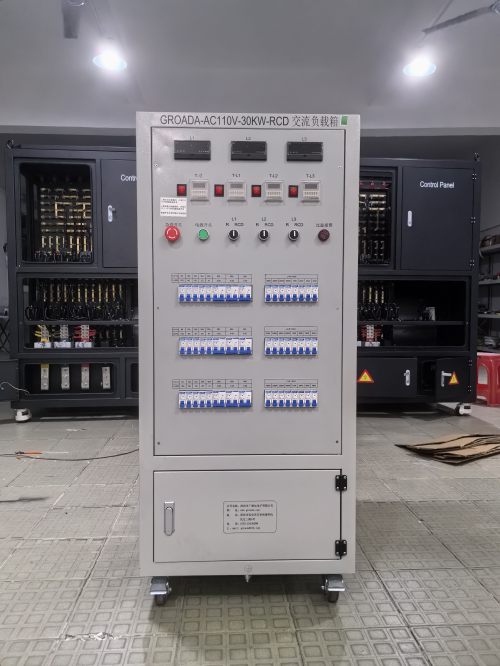
Conclusion: Properly executed load bank testing ensures power system integrity, reduces downtime risk, and enhances operational confidence. Engineers must select the right type of load bank based on application needs and adhere to international standards for accurate and repeatable results. As renewable energy grows, advanced load banks will remain essential tools for validating hybrid and microgrid solutions.