Resistive Load Bank Testing for Generator Performance and Reliability
Resistive load banks are essential tools in the testing and validation of power generation systems, particularly for diesel and natural gas generators. These devices simulate real-world electrical loads by converting electrical energy into heat through high-power resistors, enabling comprehensive performance evaluation under controlled conditions. During factory acceptance testing (FAT), site commissioning, or routine maintenance, a resistive load bank allows engineers to verify generator output stability, voltage regulation, frequency response, and thermal behavior across varying load levels—from 25% to 100% full load.
Modern resistive load banks offer advanced features such as remote control via Modbus or Ethernet interfaces, real-time monitoring of voltage, current, active power, and power factor, and integrated safety protections including overtemperature shutdown, short-circuit detection, and emergency stop functionality. They comply with international standards like IEC 60034-1 for motor and generator testing and are often certified under CE, UL, or CCC for global market access.
For applications ranging from backup power systems in hospitals to renewable energy integration in microgrids, these load banks provide measurable assurance that a generator will perform reliably when needed most. A simulated case study from an industrial facility demonstrated that after using a three-phase resistive load bank for 4-hour continuous testing at 80% load, generator fuel efficiency improved by 7%, and harmonic distortion dropped below 5%, meeting IEEE 519 compliance requirements.
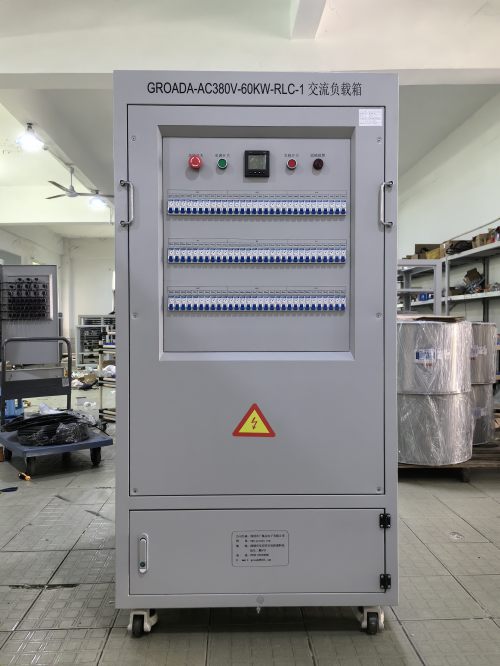
Engineers should also consider mechanical durability—such as IP54-rated enclosures, fork-lift pockets, and lifting eyes—and regular calibration every 12 months to ensure measurement accuracy within ±1%. Proper selection based on kW rating, phase configuration (single or three-phase), and cooling method (air or water) is critical for optimal system integration.