Portable Load Bank Testing for Generator and UPS Systems
Portable load banks are essential tools for validating the performance, reliability, and safety of power generation systems such as diesel generators, natural gas units, and uninterruptible power supplies (UPS). These devices simulate real-world electrical loads by drawing power from the source under test—allowing engineers to verify that the system can handle full capacity without failure. Unlike static or fixed load banks, portable models offer flexibility in installation and transport, making them ideal for field testing at remote sites, construction zones, or during factory acceptance tests (FAT).
A typical portable load bank includes resistive, reactive, or combination (RLC) configurations. Resistive load banks convert electrical energy into heat using precision resistor blocks—ideal for testing generator output capacity, voltage regulation, and cooling systems. Reactive load banks introduce inductive or capacitive loads to simulate real-world power factor conditions (e.g., motors, transformers), while RLC types combine both for comprehensive generator performance validation per IEC 60034-1 standards.
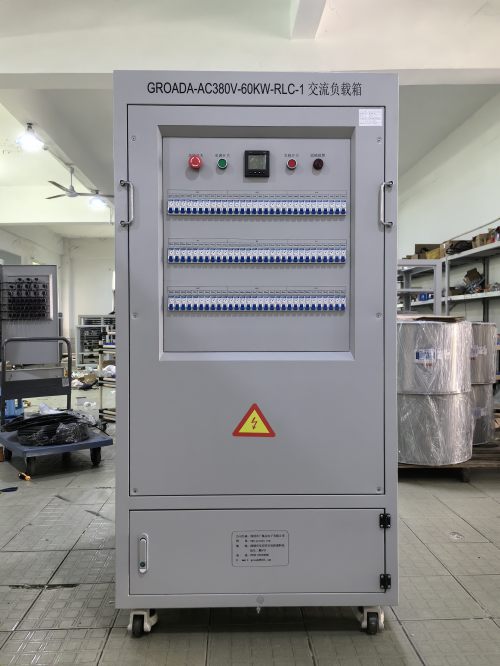
Key technical parameters include rated power (from 5 kW up to 5000 kVA), three-phase capability, adjustable power factor (0.1–1.0), and thermal protection with automatic shutdown above safe operating temperatures. Modern units often feature remote monitoring via Modbus RTU or Ethernet interfaces, enabling automated data logging, fault detection, and integration into SCADA systems. Safety features like E-stop buttons, short-circuit protection, and CE/UL certification ensure compliance with global electrical safety norms.
Field applications range from pre-commissioning checks on new generators to periodic maintenance of backup systems in hospitals, data centers, and industrial facilities. For example, an anonymized case study at a wind farm showed that using a 1200 kVA portable resistive load bank improved grid synchronization stability by identifying undersized fuel delivery systems before full operation. Another simulated scenario involving a hospital’s UPS system revealed inconsistent voltage regulation under partial load—a flaw corrected after testing with a 200 kVA reactive load bank.
Regular calibration every 12 months and inspection of fan assemblies and resistor blocks ensure long-term accuracy and prevent overheating-related failures. With proper use, portable load banks not only enhance equipment lifespan but also reduce unexpected downtime risks in mission-critical environments.