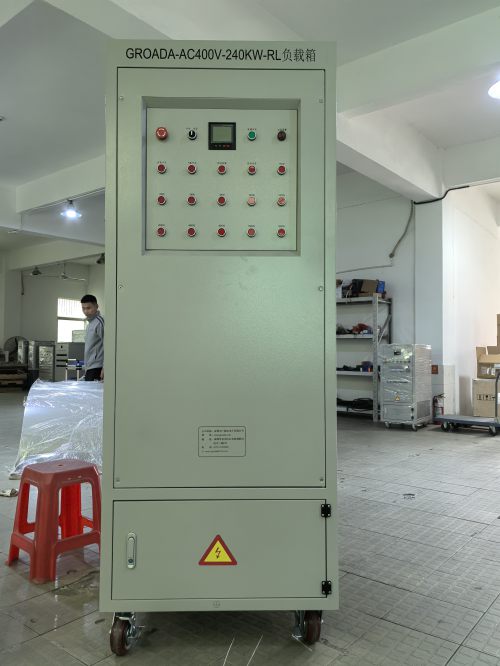
Portable Load Bank Testing for Generator and Power System Validation
Portable load banks are essential tools for verifying the performance, reliability, and safety of generators, UPS systems, and renewable energy installations. Designed for field use, these units simulate real-world electrical loads to ensure equipment operates correctly under full capacity, partial load, and transient conditions. A well-designed portable resistive load bank can deliver precise power absorption across single-phase or three-phase configurations, enabling comprehensive testing of engine-generator sets before commissioning or during routine maintenance.
For example, in a simulated case study involving a 500 kW diesel generator used in remote mining operations, a portable three-phase resistive load bank was employed to perform a 4-hour full-load test at 100% of rated output. The test confirmed stable voltage regulation (±2% per IEC 60034-1), consistent frequency control (±0.5 Hz), and proper cooling system operation—critical parameters for long-term operational integrity. Similarly, reactive load banks are used to evaluate power factor correction systems and validate excitation control in alternators, ensuring compatibility with utility grid requirements.
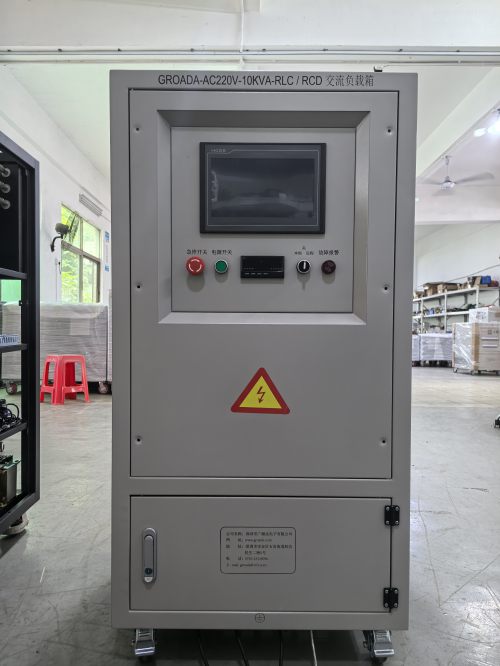
Modern portable load banks offer advanced features such as remote monitoring via Modbus TCP/IP or CAN bus interfaces, automatic load stepping, thermal protection, and ruggedized enclosures (IP54 rating). They comply with international standards like IEC 61000-4-30 for power quality measurement accuracy and UL/cUL certifications for electrical safety. Engineers rely on these tools not only for factory acceptance testing (FAT) but also for preventive maintenance, commissioning new microgrids, and validating backup power solutions for hospitals, data centers, and critical infrastructure.
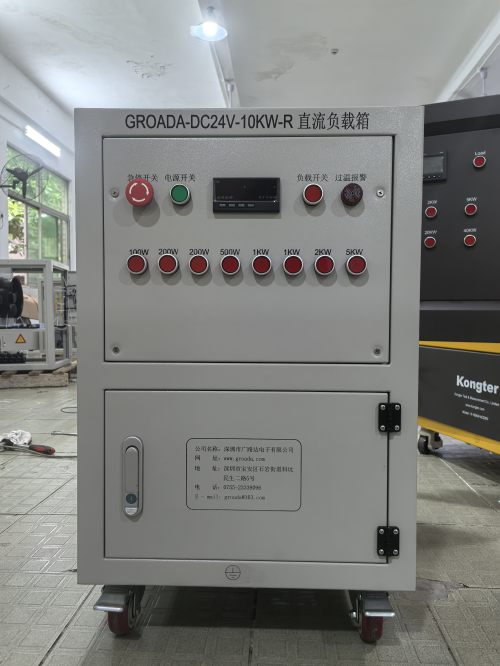
Based on field experience and industry best practices, selecting a load bank requires matching key parameters: maximum power (kW/kVA), phase configuration, current range, cooling method (air or water), and communication capability. For instance, a 200 kW portable unit may weigh around 150 kg with integrated lifting eyes and casters for easy transport—a design that meets both portability and durability needs. Proper calibration every 12 months using NIST-traceable equipment ensures measurement precision within ±1%, which is vital for compliance with ISO 17025 and IEEE 1159 standards.
In summary, portable load banks are indispensable assets for power system engineers who prioritize performance validation, regulatory compliance, and operational readiness. Their versatility, precision, and robustness make them suitable for applications ranging from industrial plants to mobile power stations in disaster recovery scenarios.