Resistive Load Bank Testing for Generator Performance Validation
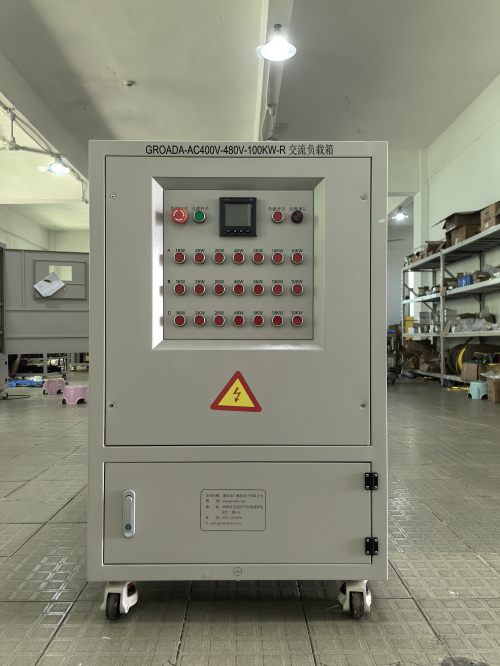
Resistive load banks are essential tools in electrical engineering for validating the performance of generators, uninterruptible power systems (UPS), and renewable energy sources like wind turbines and solar inverters. These devices simulate real-world electrical loads by converting electrical energy into heat through resistive elements, allowing engineers to test equipment under controlled conditions. Common applications include factory acceptance testing (FAT) of diesel generators, commissioning of backup power systems in data centers, and grid integration testing for microgrids. A typical resistive load bank may have a rated power capacity from 50 kW to 2,000 kW, with single-phase or three-phase configurations suitable for both low-voltage and medium-voltage systems.
One major advantage is their simplicity—resistive loads provide predictable behavior, making them ideal for verifying generator voltage regulation, frequency stability, and fuel consumption efficiency. Compared to reactive or capacitive load banks, they offer easier control and more stable measurement results. However, common problems arise when thermal management is inadequate; overheating can lead to premature resistor degradation or safety hazards. Proper ventilation, cooling fans, and automatic shutdown mechanisms based on temperature sensors are critical. Additionally, users must ensure proper grounding and compliance with IEC 60034-1 and IEEE 115 standards for motor and generator testing, which mandate specific safety and accuracy requirements.
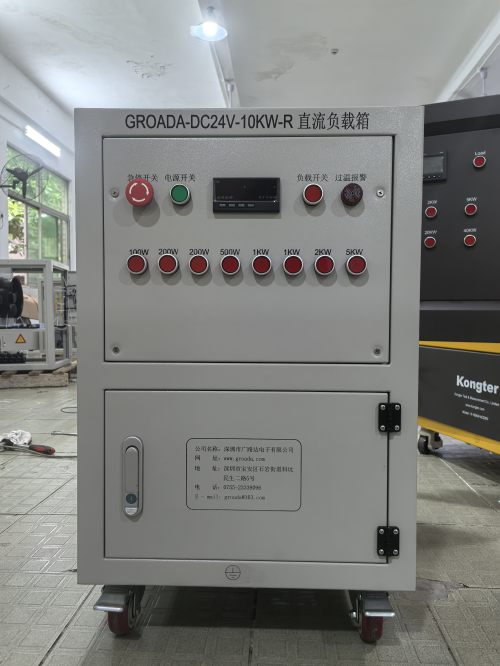
Recent trends show increasing demand for smart, remotely monitored load banks equipped with Modbus RTU or Ethernet communication interfaces for integration into SCADA systems. This allows operators to conduct unattended tests over extended periods, such as 24-hour load cycling, while logging key parameters like active power, current, and power factor. In one anonymized case study, a 1 MW resistive load bank was used to test a marine diesel generator before installation in a new offshore platform. The test revealed a 5% deviation in output voltage at full load, prompting adjustments to the AVR (Automatic Voltage Regulator) system—thus preventing potential operational failure.
To maximize reliability, regular calibration (every 12 months) using certified instruments is recommended, along with replacement of resistor blocks every 3–5 years depending on usage intensity. Maintenance schedules should also include inspection of cooling fans, connection integrity, and thermal protection relays. By combining standardized testing protocols with modern remote monitoring capabilities, resistive load banks remain indispensable in ensuring electrical system resilience across industries—from oil & gas to telecommunications.