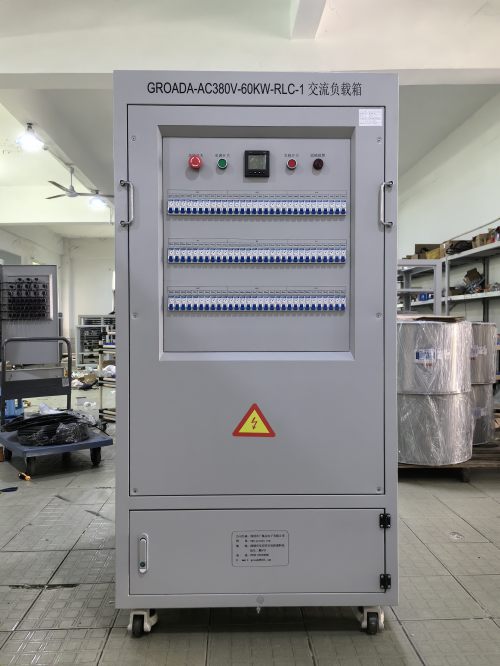
Portable Load Bank Testing for Generator and Power System Validation
Portable load banks are essential tools for verifying the performance, reliability, and safety of generators, UPS systems, and renewable energy installations such as solar or wind farms. Designed for field use, these units simulate real-world electrical loads to test equipment under controlled conditions—without requiring a live grid connection. A typical portable resistive load bank can deliver up to 500 kW per phase at 480 VAC three-phase, with adjustable power factor settings from 0.8 lagging to 1.0 (purely resistive). This flexibility allows engineers to mimic both industrial motor loads and critical backup systems during commissioning or maintenance.
Key features include built-in digital meters for measuring voltage, current, active power, reactive power, and power factor—all calibrated to IEC 61000-4-30 Class A standards. Thermal protection systems prevent overheating by automatically reducing load if temperatures exceed 120°C, while emergency stop buttons and short-circuit protection ensure safe operation even in harsh environments. Many models support remote monitoring via Modbus TCP or RS-485 interfaces, enabling integration into SCADA systems for continuous data logging and predictive maintenance.
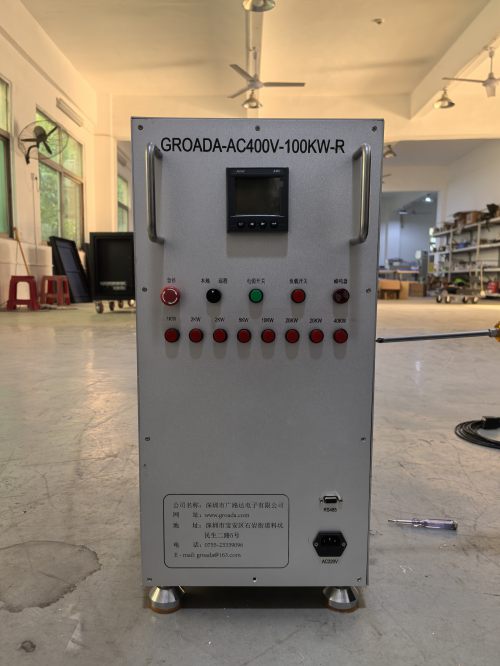
Case studies show that using portable load banks reduces generator downtime by up to 40% when deployed during factory acceptance testing (FAT) or pre-grid synchronization checks. For example, an anonymized case study from a microgrid project in rural India demonstrated that a 100 kVA portable load bank validated diesel generator performance over 72 hours, identifying a faulty excitation system before deployment. This early detection saved approximately $15,000 in potential repair costs and avoided service disruption.
Safety compliance is ensured through CE, UL, and CCC certifications, with IP54-rated enclosures protecting against dust and splashing water. Units are designed with lifting eyes and fork lift pockets for easy transport across construction sites or utility substations. Maintenance intervals typically recommend annual calibration using NIST-traceable instruments and replacement of resistor blocks every 3–5 years depending on usage intensity.
These systems play a vital role in modern power infrastructure—from validating backup power for hospitals to ensuring grid stability in smart microgrids—and remain indispensable for any electrical engineering team responsible for asset lifecycle management.