Resistive Load Bank Testing for Generator and Power System Validation
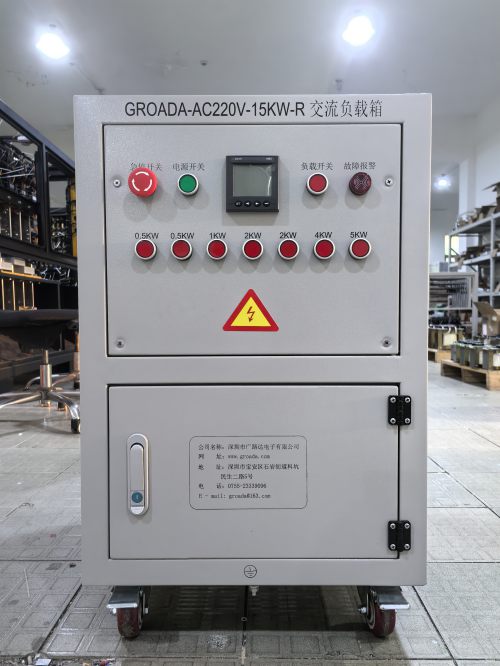
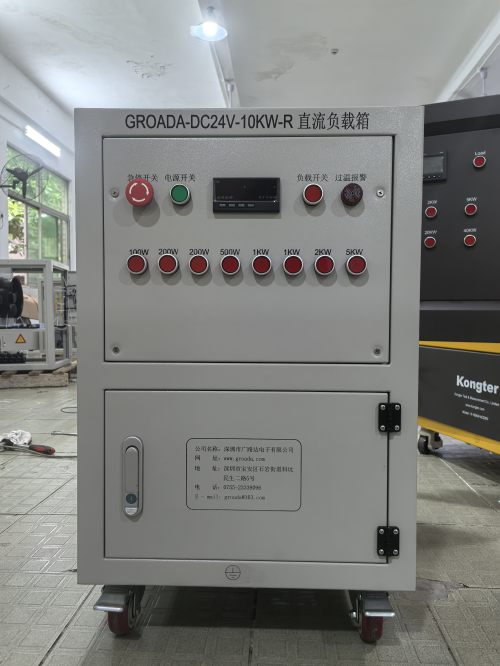
Resistive load banks are essential tools for validating the performance and reliability of generators, UPS systems, and renewable energy installations such as solar farms and wind turbines. These devices simulate real-world electrical loads by converting electrical energy into heat through precision resistors, enabling comprehensive testing under controlled conditions. A typical resistive load bank can be configured for single-phase or three-phase operation, with power ratings ranging from 10 kW to over 2 MW, depending on the application. Common use cases include factory acceptance testing (FAT), commissioning of backup power systems, and periodic maintenance checks to ensure system resilience during peak demand or grid failure scenarios.
One major advantage of resistive load banks is their ability to test generator output at full power while maintaining a stable power factor close to unity, making them ideal for evaluating engine performance, cooling systems, and fuel efficiency. Unlike reactive or capacitive load banks, they do not introduce phase shifts or harmonic distortion—making them simpler to integrate into standard test setups. However, challenges include thermal management: high-power units require robust air or water cooling systems to prevent overheating and ensure long-term durability. Additionally, improper loading patterns (e.g., sudden step changes) can stress mechanical components and lead to premature wear.
Recent trends show increasing adoption of smart load banks equipped with digital control interfaces like Modbus TCP/IP and remote monitoring via cloud platforms. These allow automated load cycling, data logging, and predictive maintenance alerts, improving operational efficiency and reducing downtime. For example, an anonymized case study at a data center in Singapore showed that using a 500 kW portable resistive load bank for monthly load testing reduced unexpected outages by 35% over six months, mainly due to early detection of voltage regulation issues in diesel generators.
Standards such as IEC 60034-1 and IEEE 1547 guide safe and accurate testing practices, ensuring compliance with international safety and performance benchmarks. Proper calibration every 12 months and regular inspection of resistor blocks and fan assemblies are recommended best practices for maintaining accuracy and longevity.